Hernandez Artesania is a design case study which illustrates how design practices can help promote indigenous culture, and how cultural capital can empower an individual's sense of identity while improving their economic outcome
CONTENTS
· PROCESO/PROCESS
· DISEÑO/ DESIGN
· ESTRATEGIA/STRATEGY
ADRIANA RIVERA
Rivera is a graphic designer/artist currently pursuing her MFA in Graphic Design at Cal State LA. She recalls that, as a young child in Mexico City, she saw a mural by David Alfaro Siqueiros, near the entrance of the building where her mother worked. The mural’s massive composition with its vibrant colors captivated her and she yearned to paint.
She moved to Los Angeles when she was 10 years old, and remembers how the art that was prevalent in her everyday life in Mexico City was also to be found in Los Angeles.
︎ ︎︎
CONTACT
2914 N. Main St
Los Angeles, Califas 90031
2914 N. Main St
Los Angeles, Califas 90031
Home
Ethical Branding Strategy_
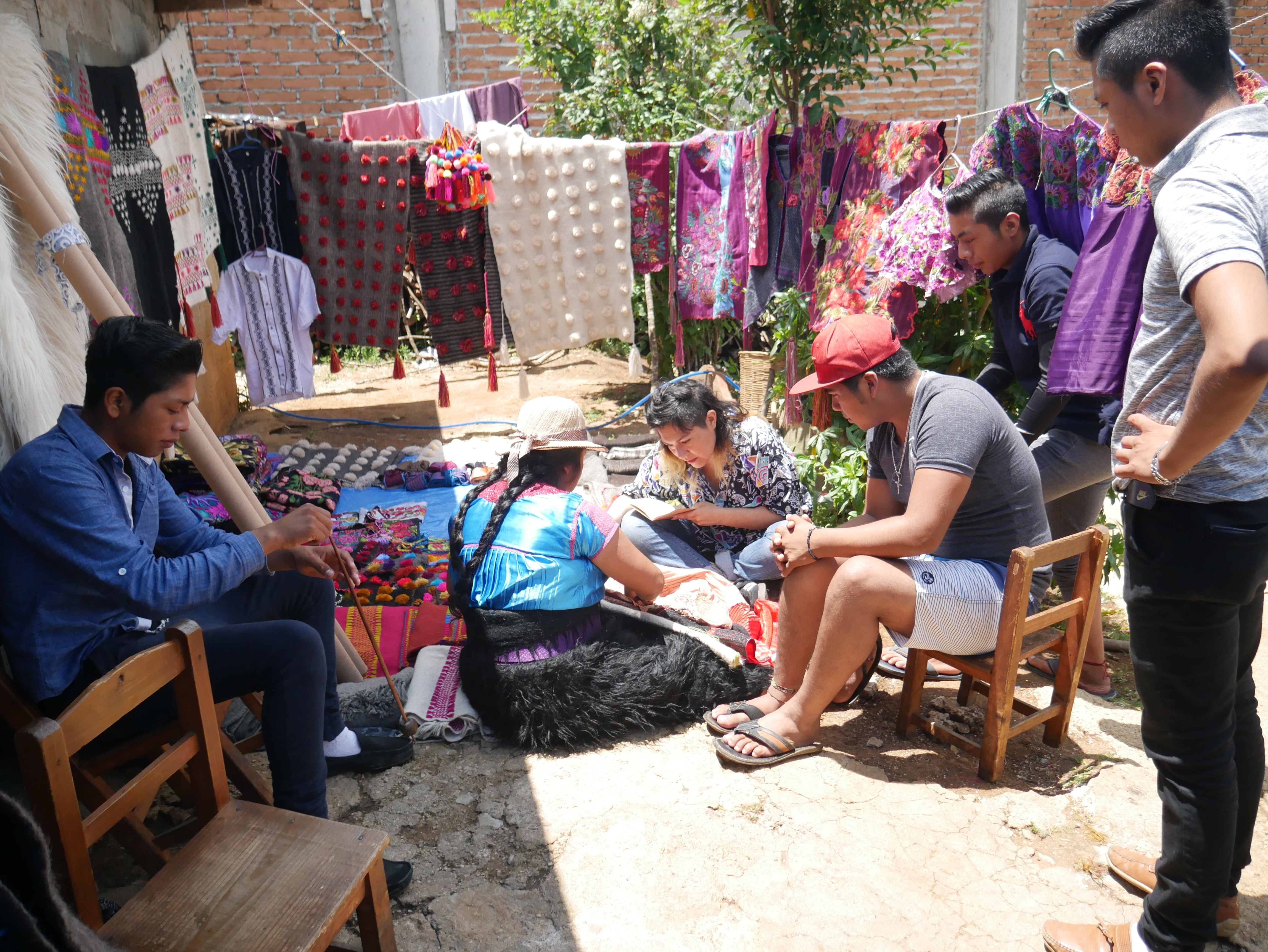
Hernandez Family (Rosa,Carlos,Cesar,Victor and Narciso)
Photos by Maya Santos
“According to many folktales among Chiapas women, the Goddess of the Moon taught them how to weave and brocade sacred designs.”
The methodology behind designing an ethical brand strategy for the Hernandez family focuses on field research and studies done on traditional weaving techniques. Capturing videos and audio recordings of the family's oral history not only helps archive their work, but also gives buyers an insight on the handcrafted object they've purchased. Research done on similar collaborations between designers and artisans is also vitally important in order to gain an understanding of what has worked in the past, and how the Hernandez family can benefit from these prior findings.
The methodology behind designing an ethical brand strategy for the Hernandez family focuses on field research and studies done on traditional weaving techniques. Capturing videos and audio recordings of the family's oral history not only helps archive their work, but also gives buyers an insight on the handcrafted object they've purchased. Research done on similar collaborations between designers and artisans is also vitally important in order to gain an understanding of what has worked in the past, and how the Hernandez family can benefit from these prior findings.
During my Summer 2019 visit to San Juan Chamula, Chiapas, I had the opportunity to spend time with Rosa Hernandez and her children; Carlos, Cristina, Cesar, and Victor. I wanted to learn more about their process, and what sets them apart from other families making the same textiles in San Juan Chamula. The most valuable takeaway from these conversations was the family's shared ethos on keeping their traditions alive. They also revealed textile weaving is their only form of income, and that they wouldn't have it any other way.
Logo Design for Hernandez Artesania
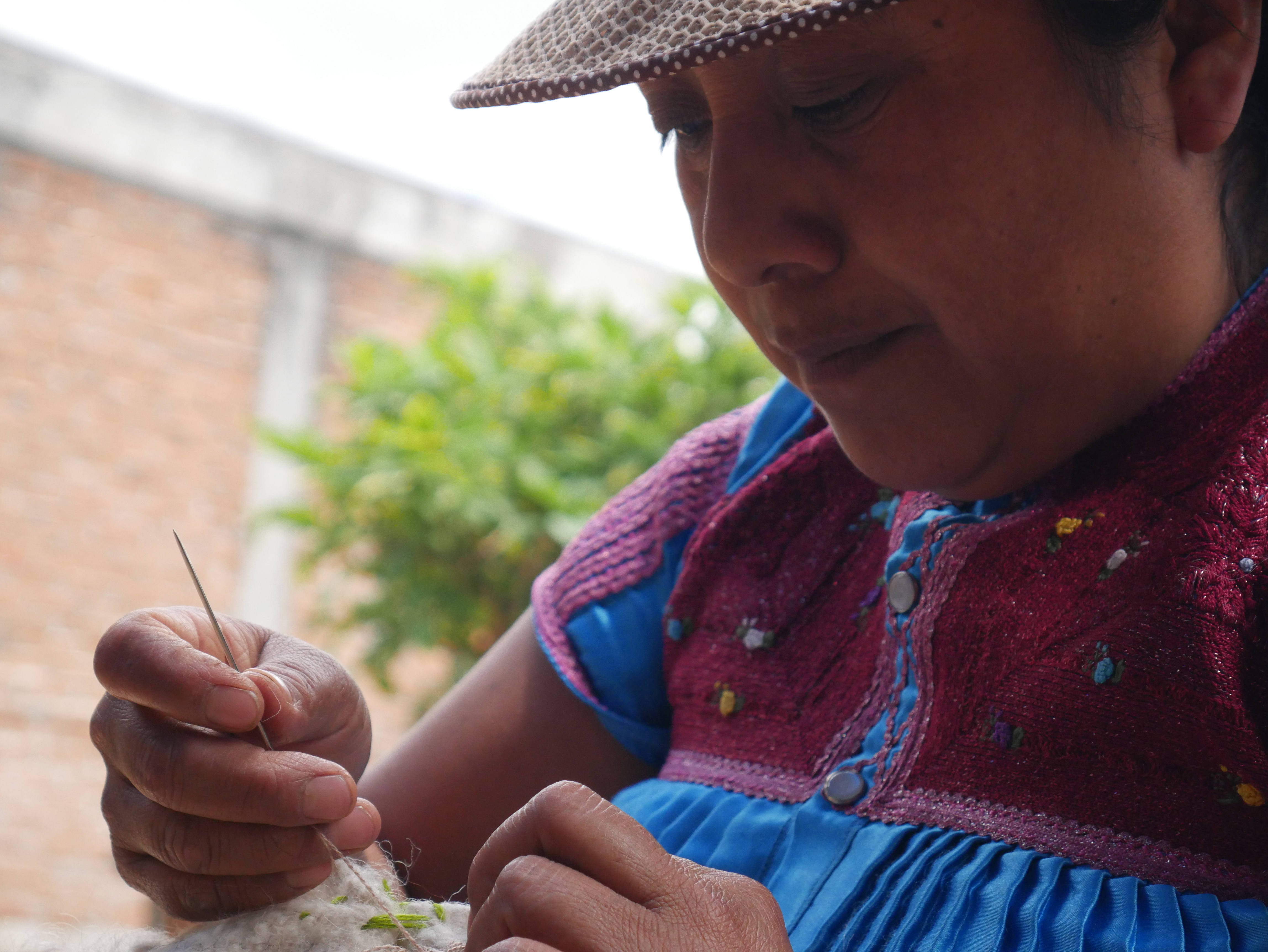

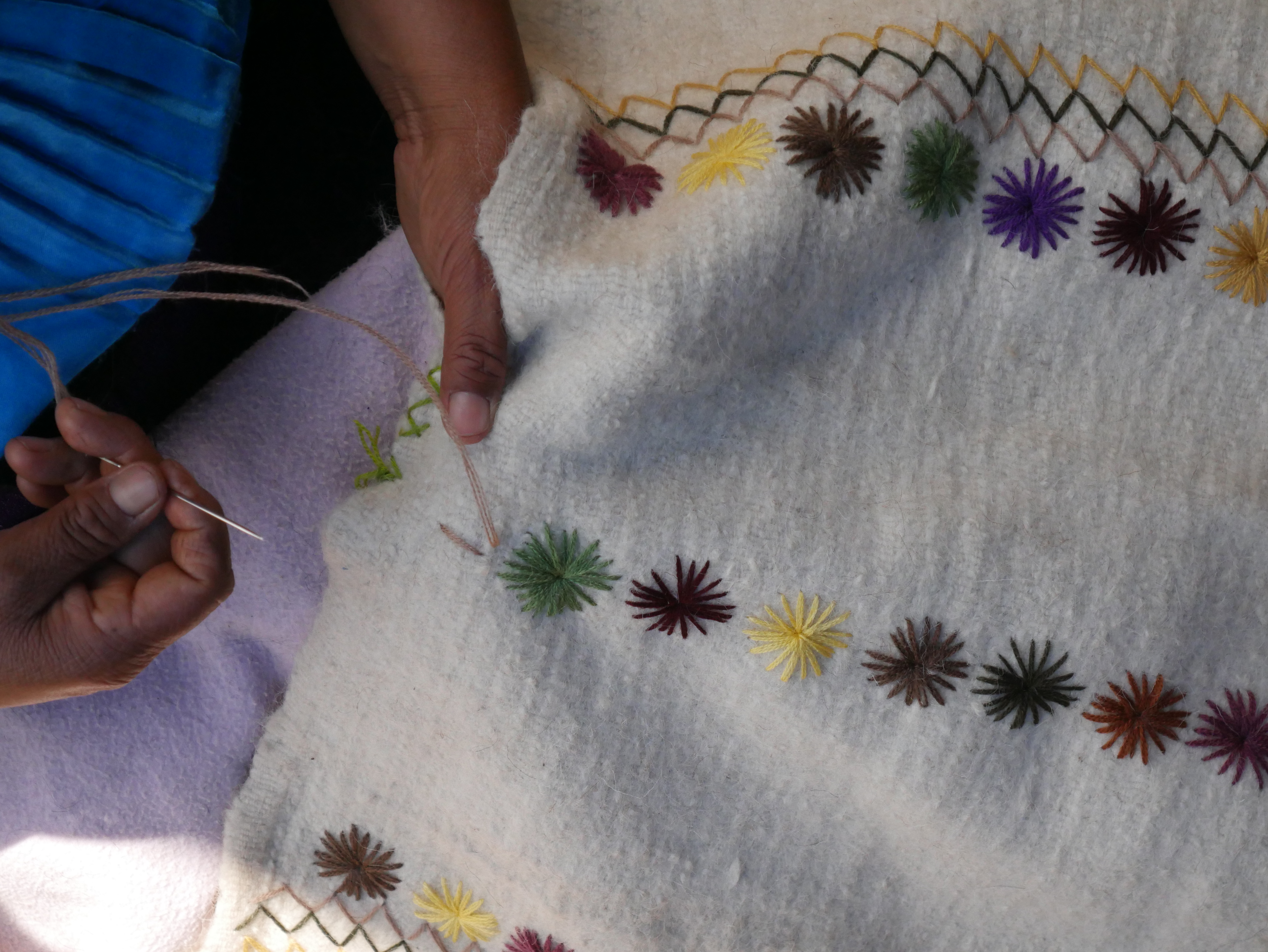

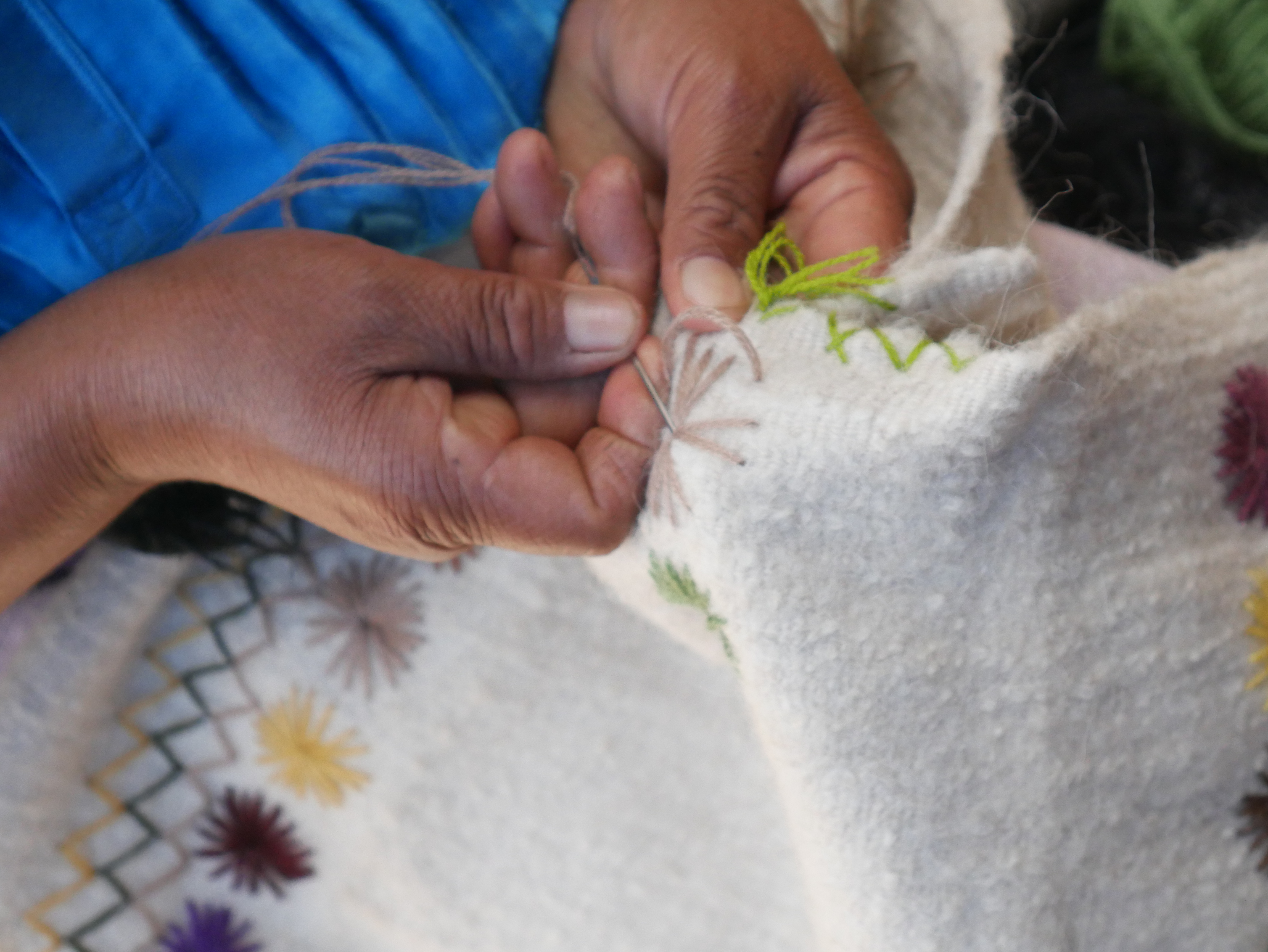

“Each textile is an expression of the weavers' personal vision of the world and their community.”
The research approach for designing a logo that would distinguish the Hernandez Artesania brand was thoughtfully crafted, as I knew the importance of incorporating the Hernandez Family into the overall brand was crucial. I found some of the most used symbols in the embroideries which adorn the family's textile designs, and narrowed it down to three visuals.
The research approach for designing a logo that would distinguish the Hernandez Artesania brand was thoughtfully crafted, as I knew the importance of incorporating the Hernandez Family into the overall brand was crucial. I found some of the most used symbols in the embroideries which adorn the family's textile designs, and narrowed it down to three visuals.
An important aspect of the logo design focused on translating the tactile components of the embroidery techniques. The tactile component is a key element of the work made by the Hernandez family. The color choices, patterns and embroidery technique applied by the Hernandez women share many insights into their family’s lineage and traditions.

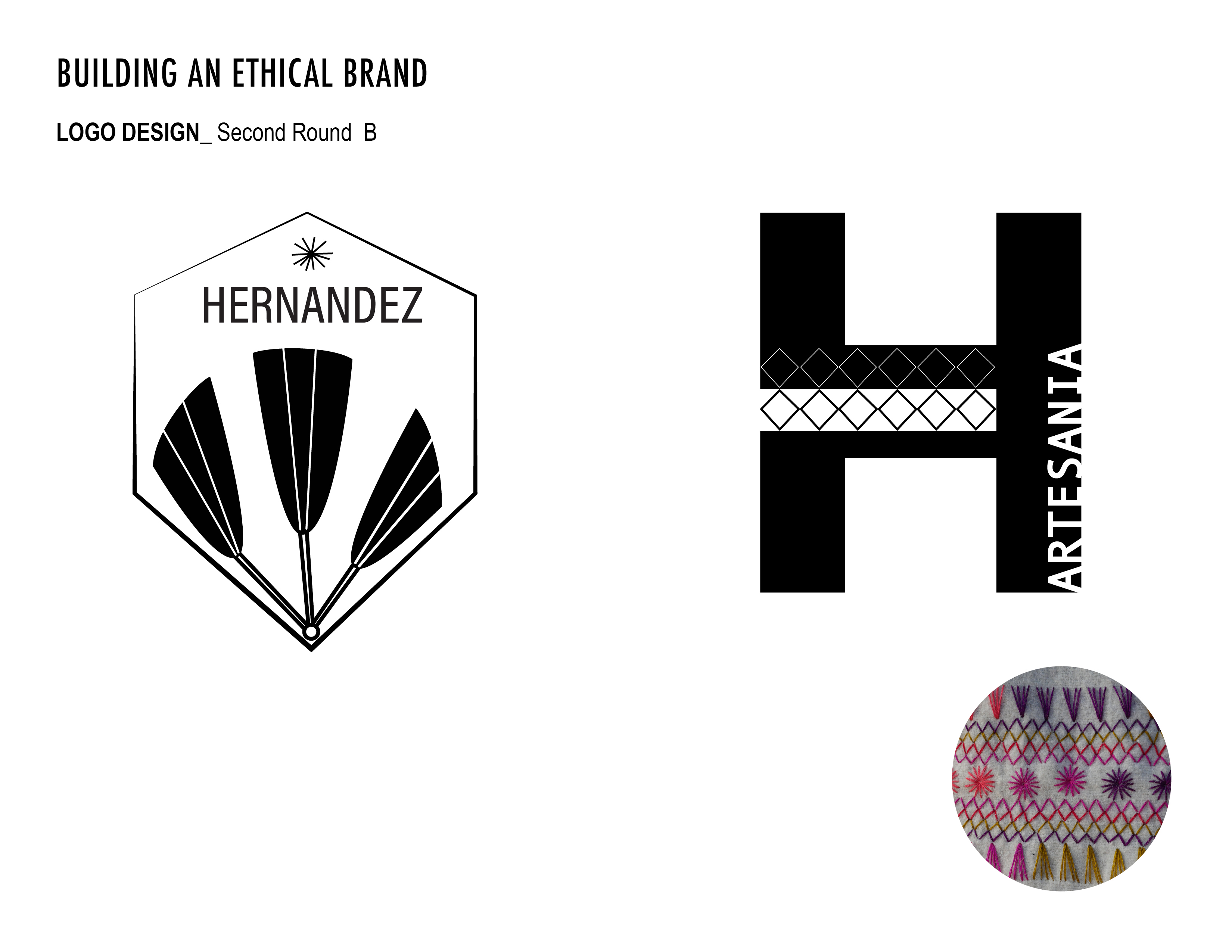


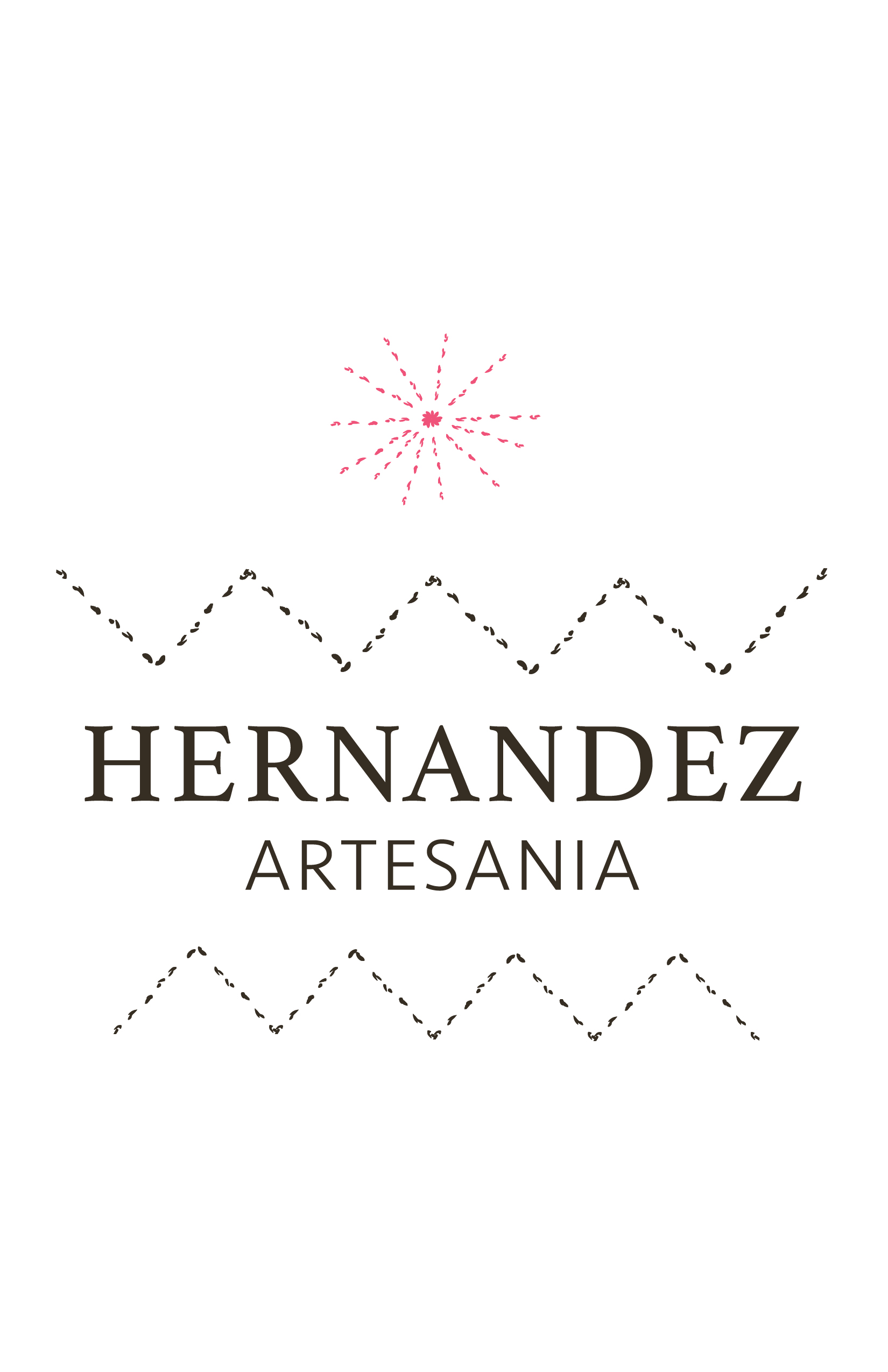
The second and final round of the logo design combines both research methods (the visual and tactile) in order to come up with a final logo design. The logo is indicative of the Hernandez Artesania brand, as it communicates the tactile component of their work as well as their traditional weaving practices: from the cleaning and spinning of the wool, to the traditional back-strap loom weaving technique, and even the natural dyes used to color textiles. The Hernandez family was also a key part of the logo design process from start to finish. It was important for them to feel confident that this was a proper representation of their work and brand.

Promotional Strategy for Hernandez Artesania
![]()
![]()
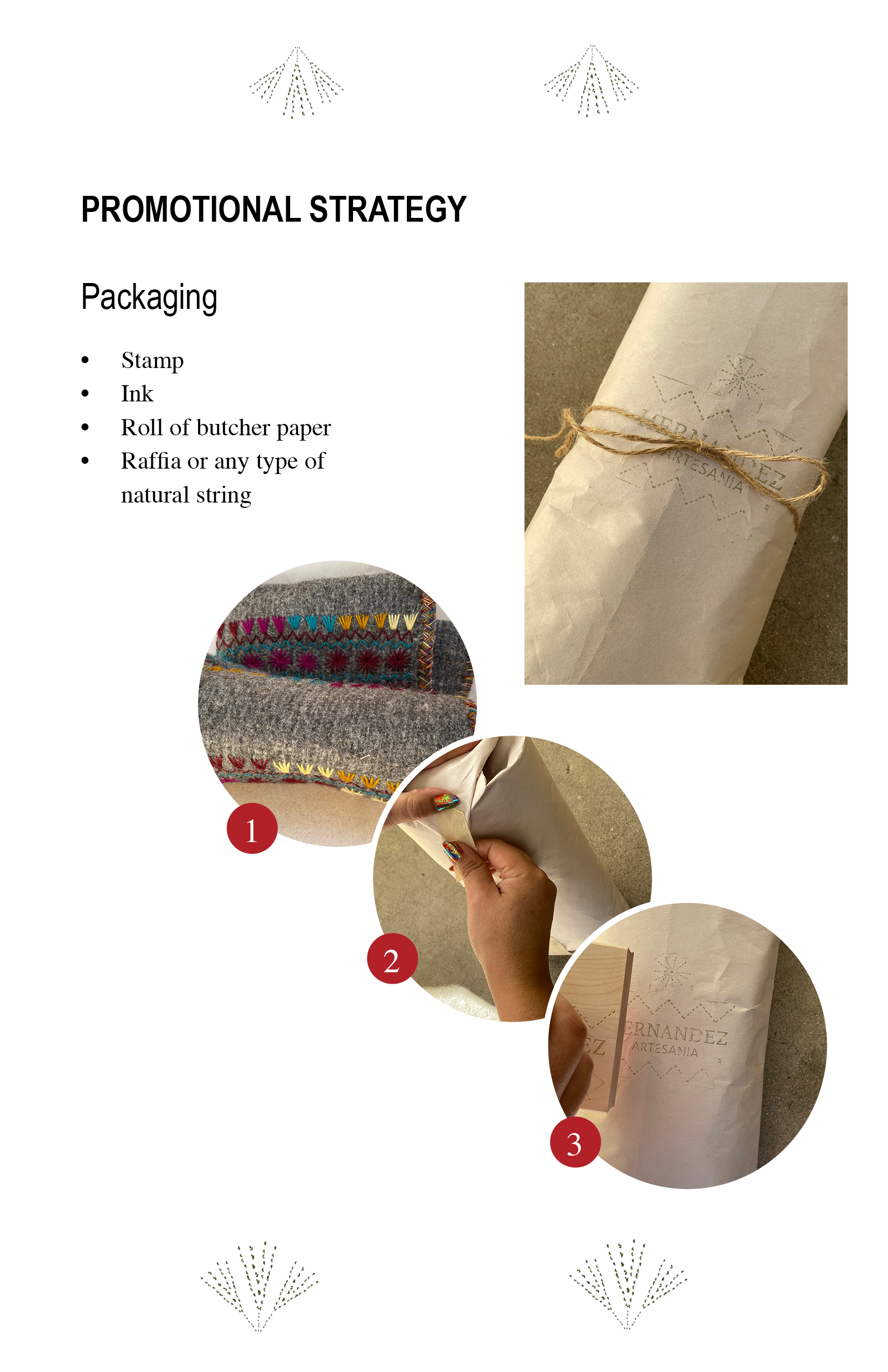
The promotional strategy consists of rolling out a simple brand identity using the newly designed logo for Hernandez Artesania. A rubber stamp application allows an easy and simple way of solidifying the Hernandez brand.It can be used for packaging a shipping order and/ or tagging articles for sale with a handwritten note about the garment.
Rubber stamps are a simple and unique technique for banding Hernandez Artesania. A throwback to the handmade process that have managed to survive the digital world.

The rubber stamp includes the website information, and email address as a form of contact. A business card would have served the same purpose, but I wanted to find a sustainable method for the family to reproduce in Chiapas without having to spend too
much income.
Click here to access style guide
Resource Guide for Hernandez Artesania
The resource guide was one of the final components of my project. It was meant to anticipate any possible issues which may arise while using the website, posting a product either on the web or while using Facebook, and fulfilling an online sales. The approach for this new guide followed the same format as the entire project: creating a sustainable system focused on a user friendly model.
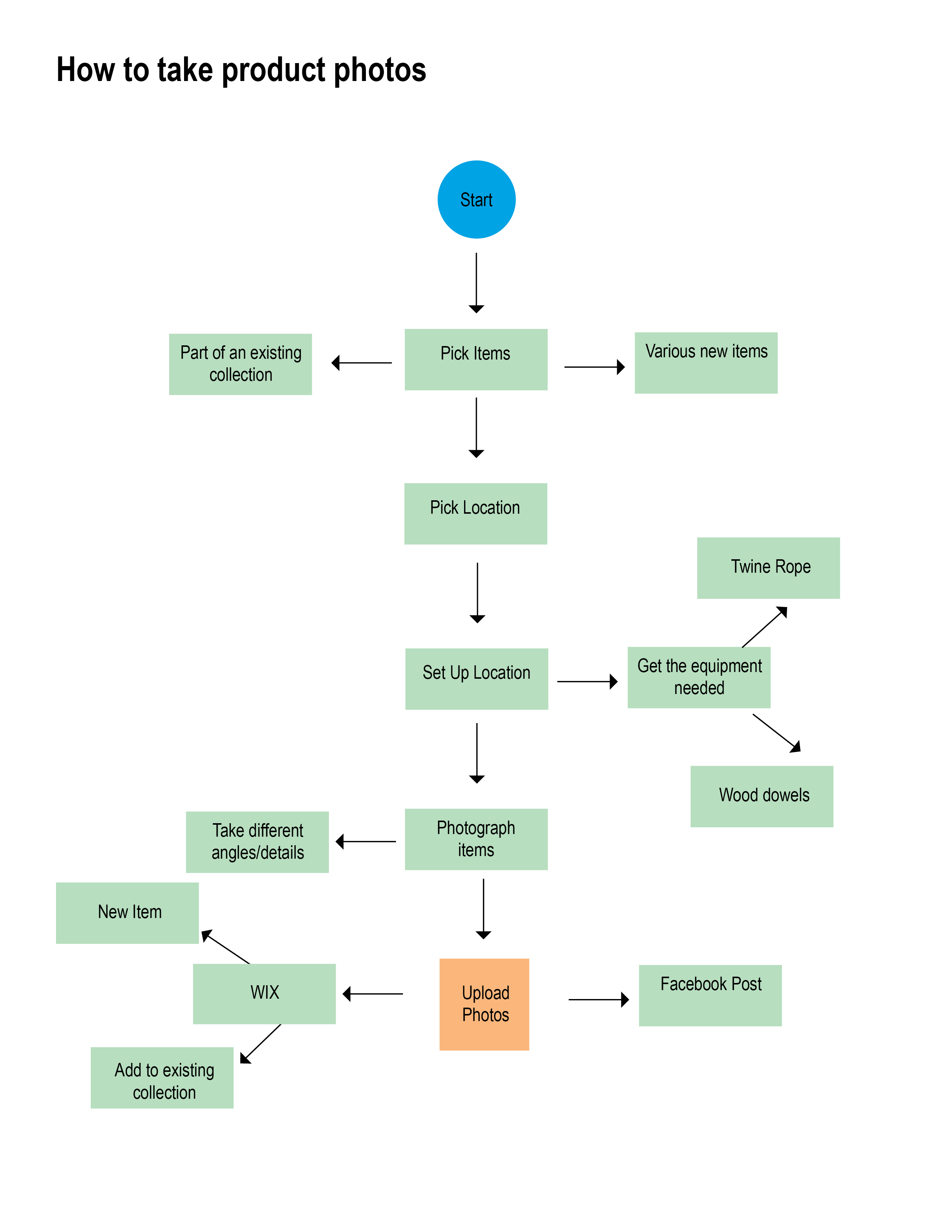

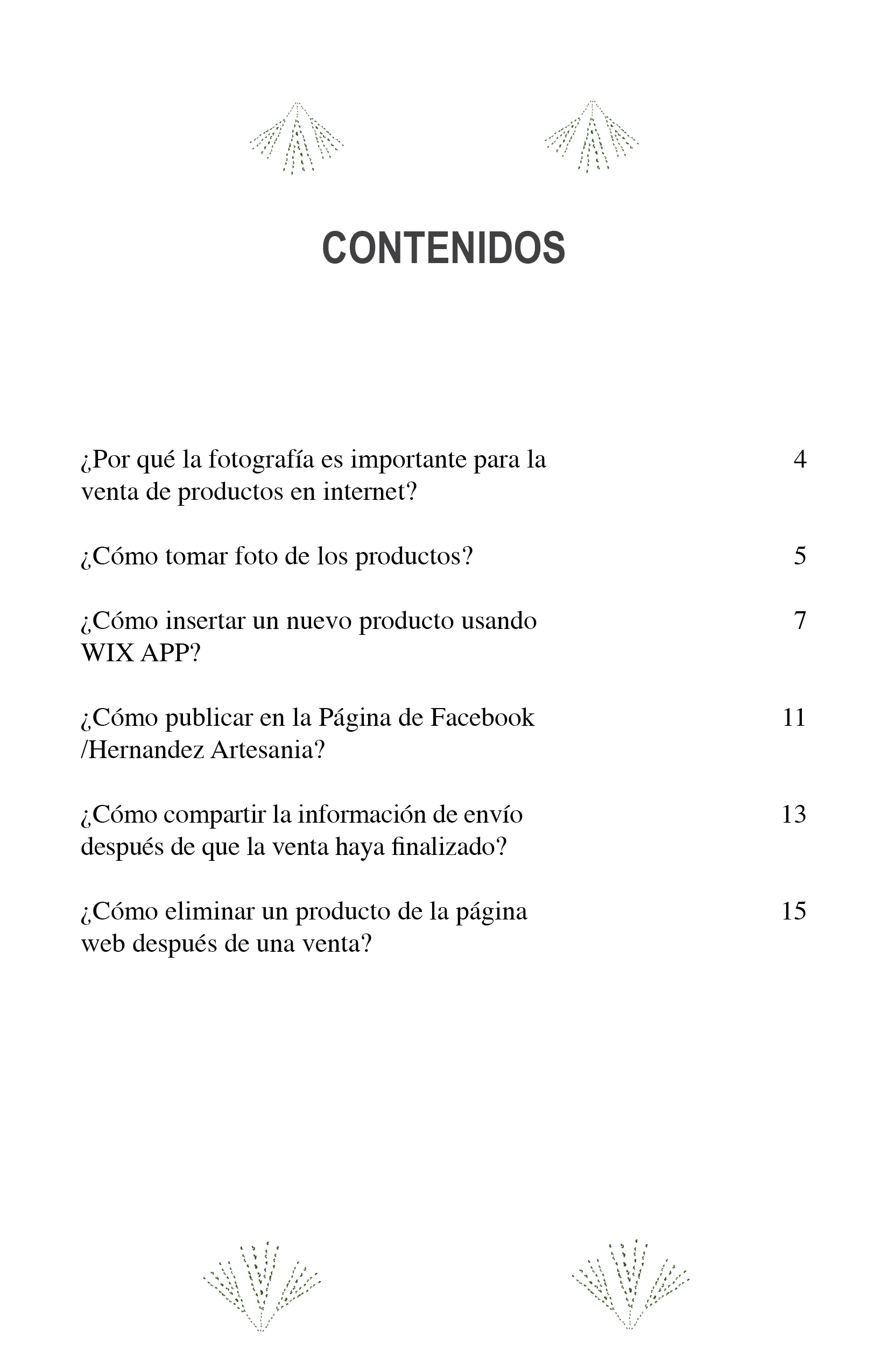

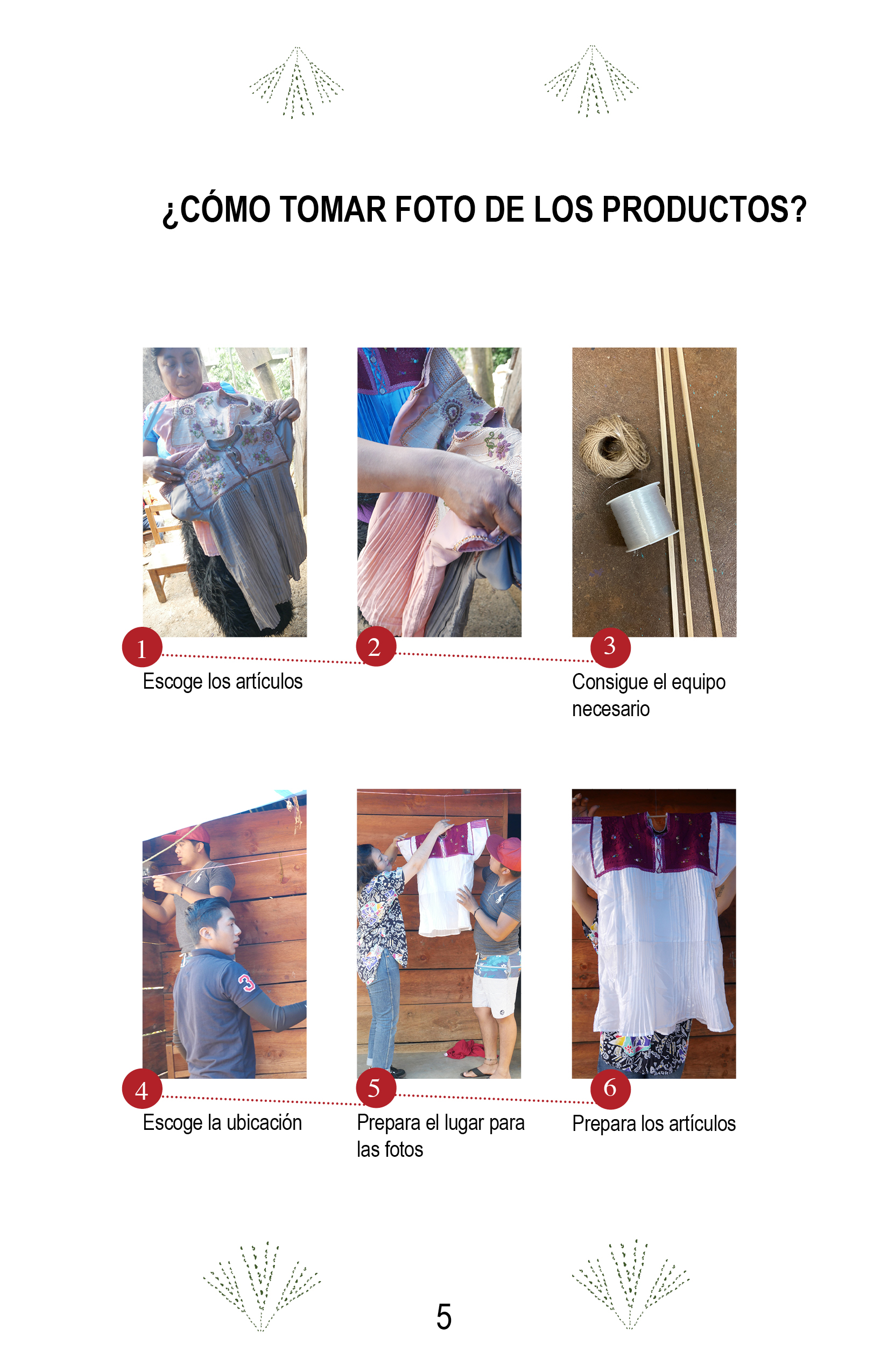
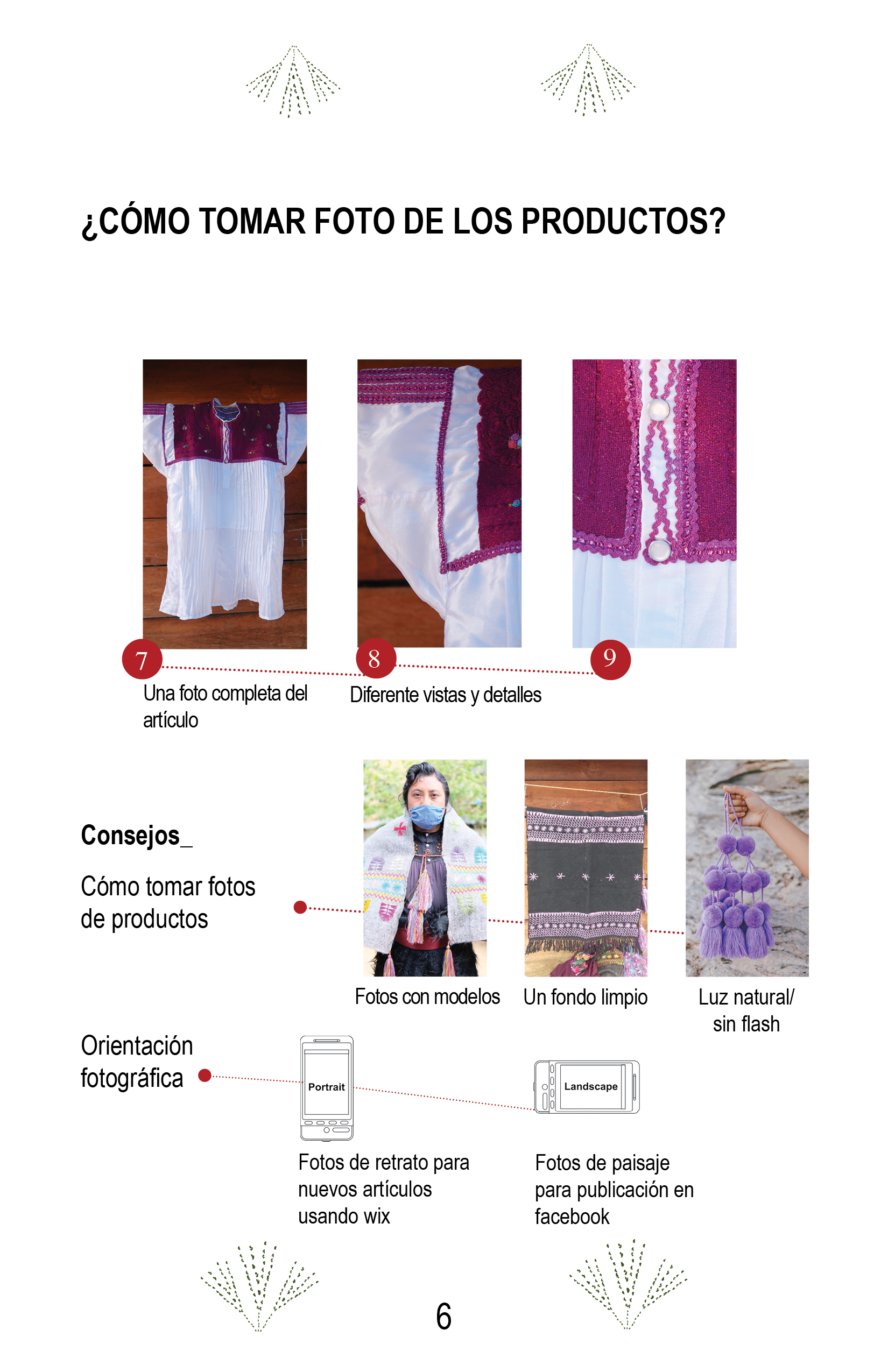

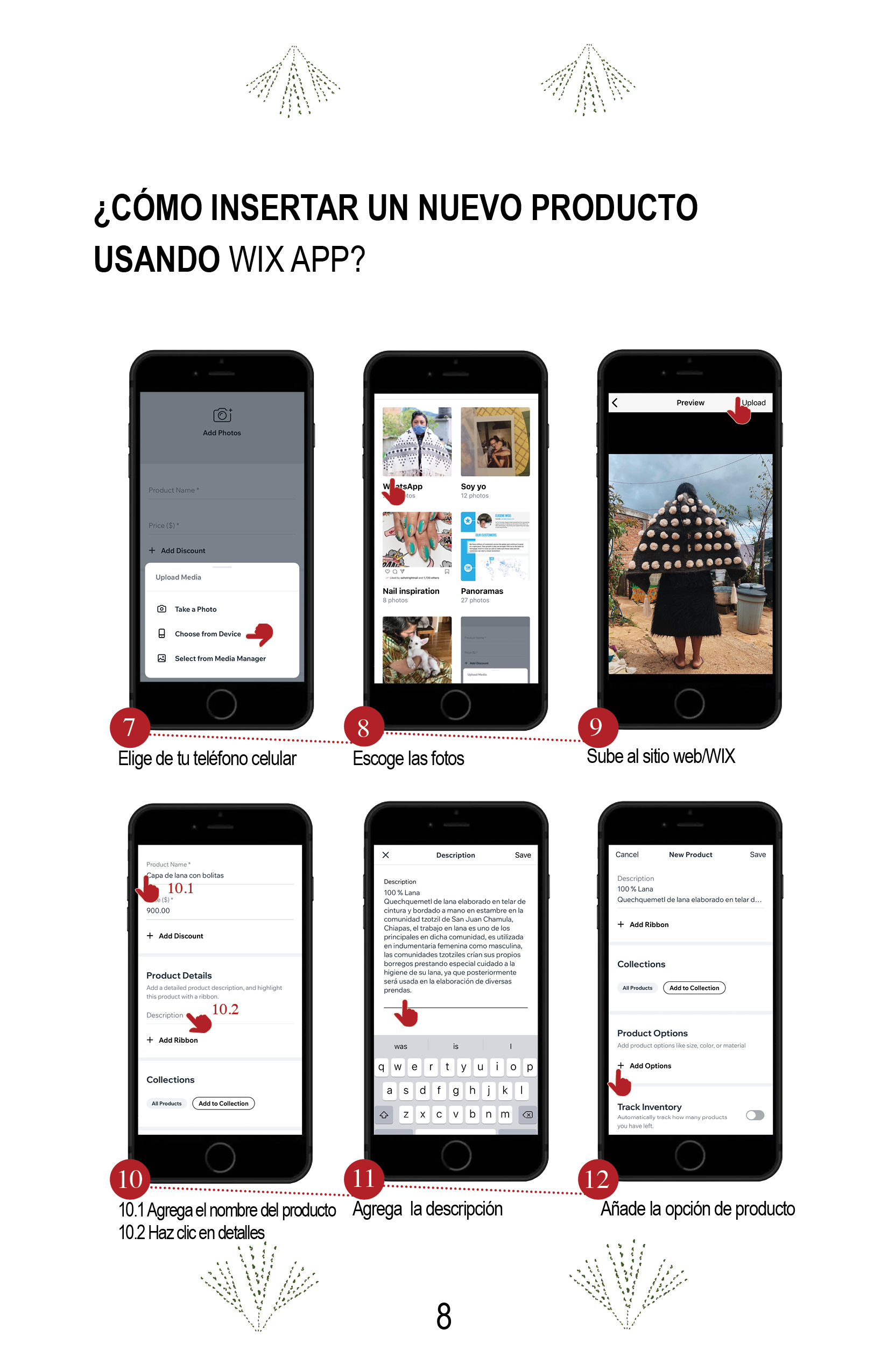


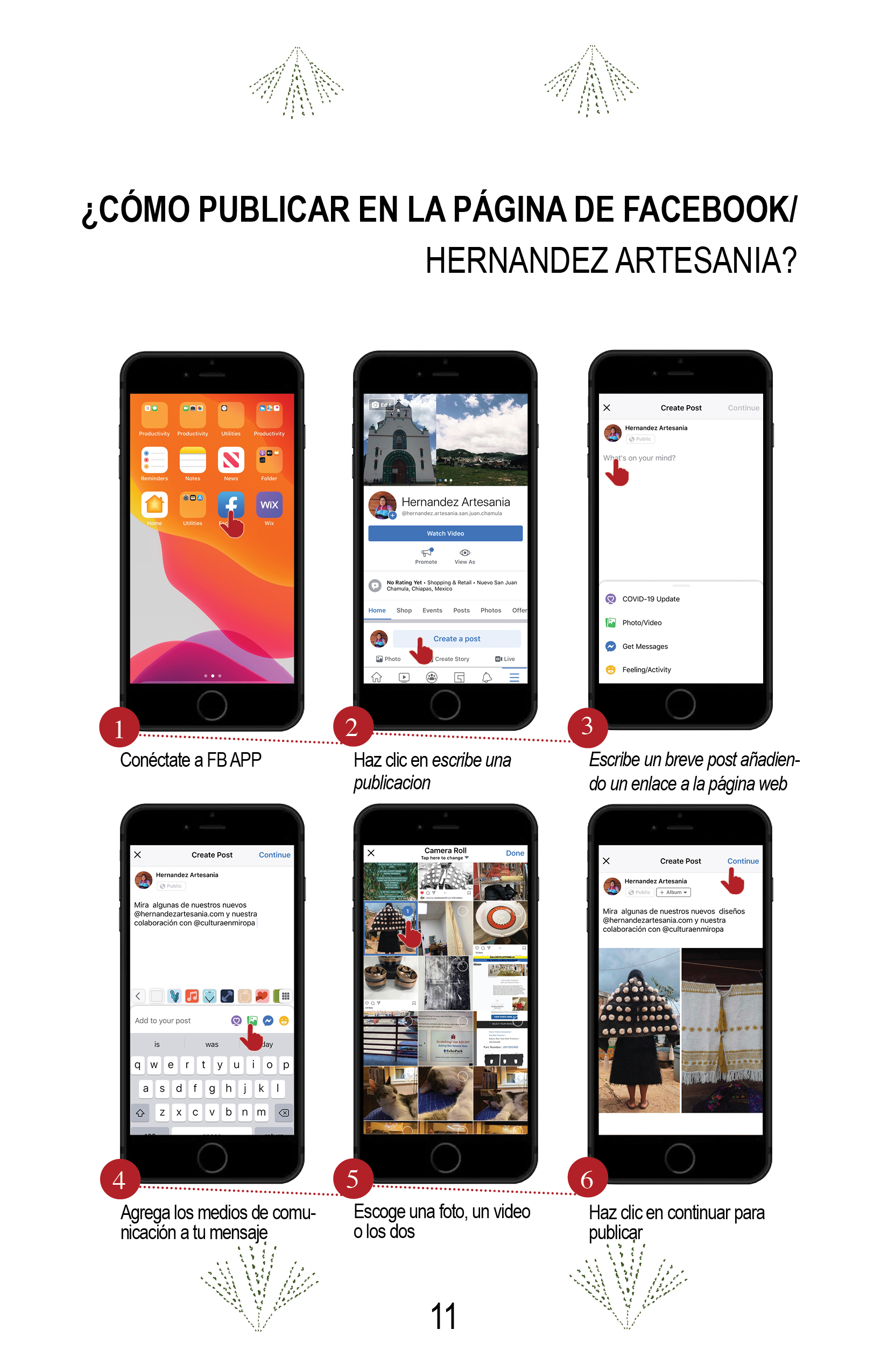
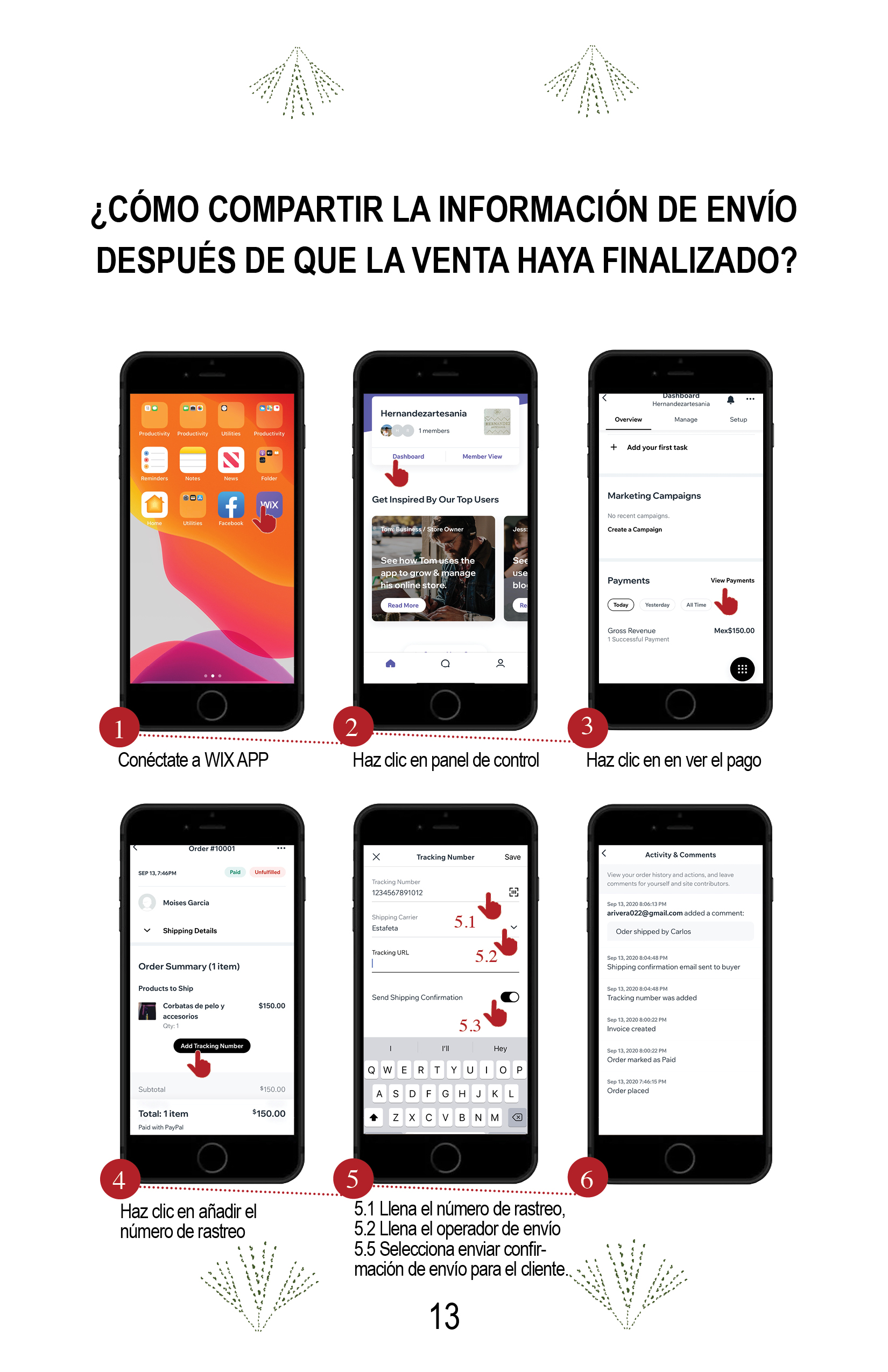

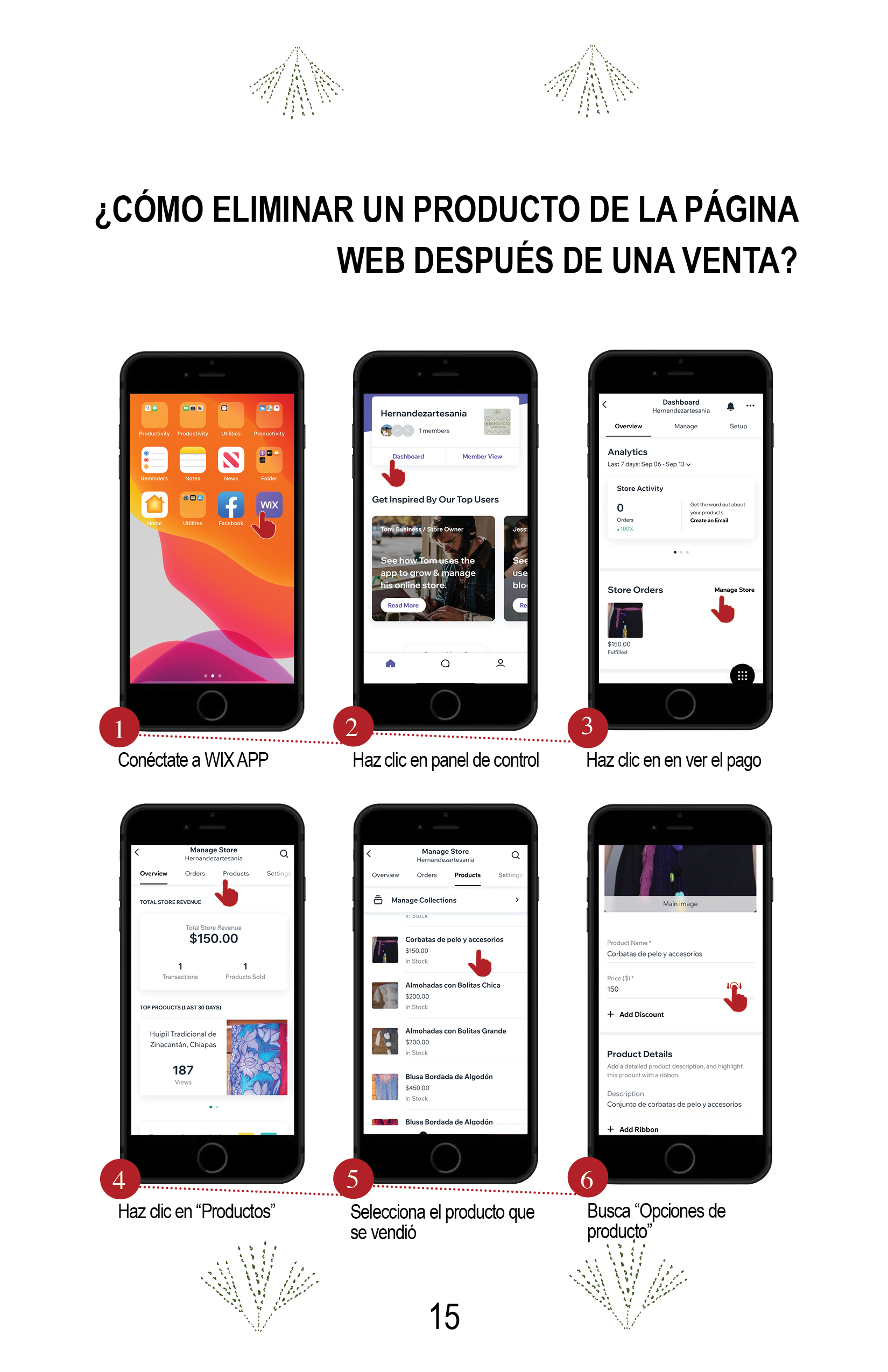


The resource guide has limited text, as the approach is more visual focused content, and much easier to understand without language as a barrier. My approach for the guide was to also design a user-flow system using screenshots guiding step-by-step instructions focused on solutions and problems. A logical hierarchy and flow is important, so that the user does not get lost and/ or confused until it becomes intuitive.
* Watch the full intro video, click here to access the link
Hernandez Artesania Online
According to research on this subject, artisan "success" can be measured by access to and control
of capital and labor.
Designing an online presence for Hernandez Artesania is one of the most important aspects of this project. Addressing the needs of the Hernandez family and designing a website that supports smartphone capabilities, intuitive user interface, along with a user guide, will help support the sustainability of the Hernanadez Artesania e-commerce and online presence.

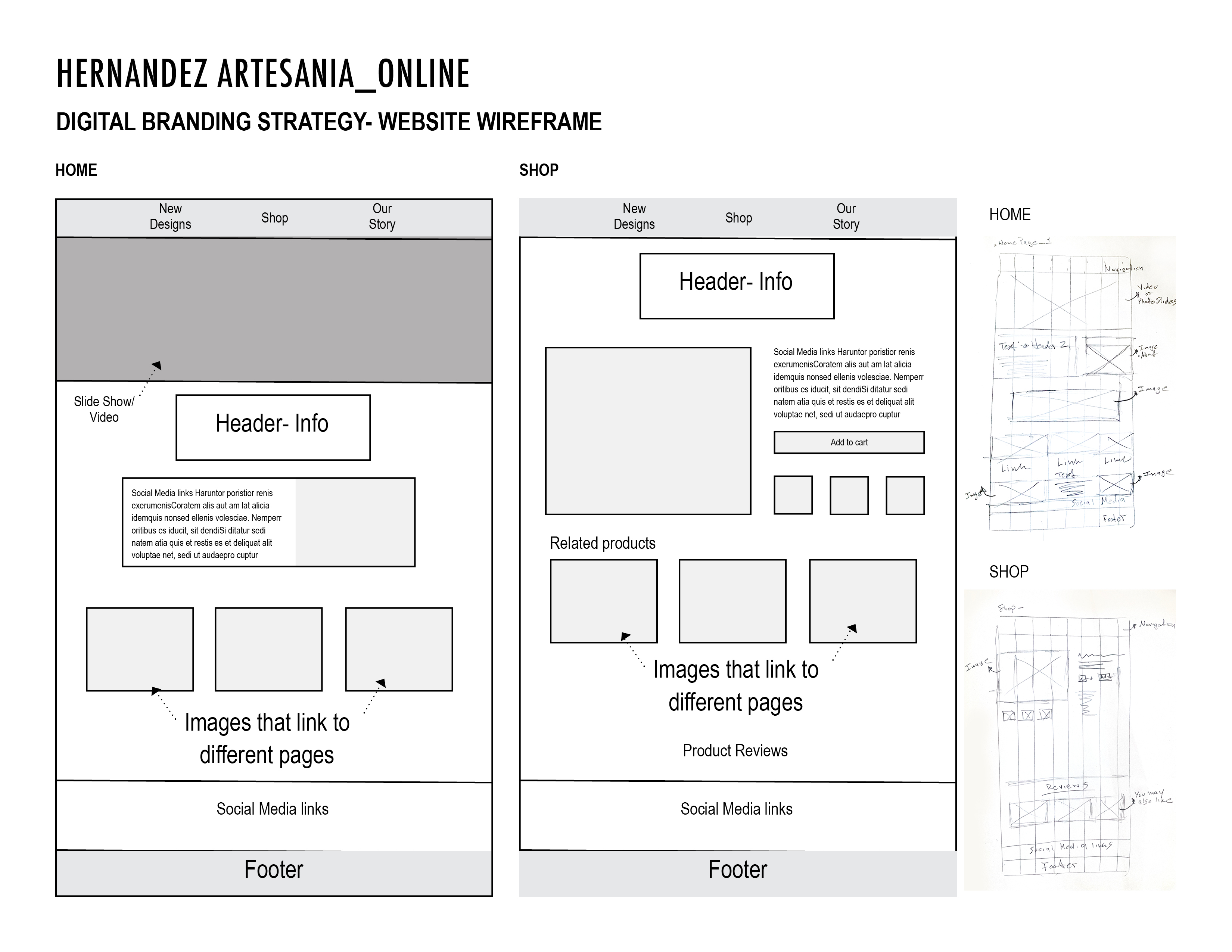
I researched, surveyed and mapped out a suitable user flow based on a short survey. Twenty people participated in the survey, and were asked basic information about their online shopping experiences, habits and expectations . After gathering all the data, I began site-mapping the Hernandez Artesania website. It all began by creating a grid system which considered branding, positioning and marketing.
This website is meant to serve two purposes: first, to function as an e-commerce marketplace, and second, to share Hernandez Artesania’s unique narrative. The site hierarchy is important for two reasons: one, it allows the visitor to get a sense of the Heranez Artesania’s brand as well as the ability to search for timely content, new items for sale, or new videos about the family highlighting the traditional process of weaving and various handmade goods.
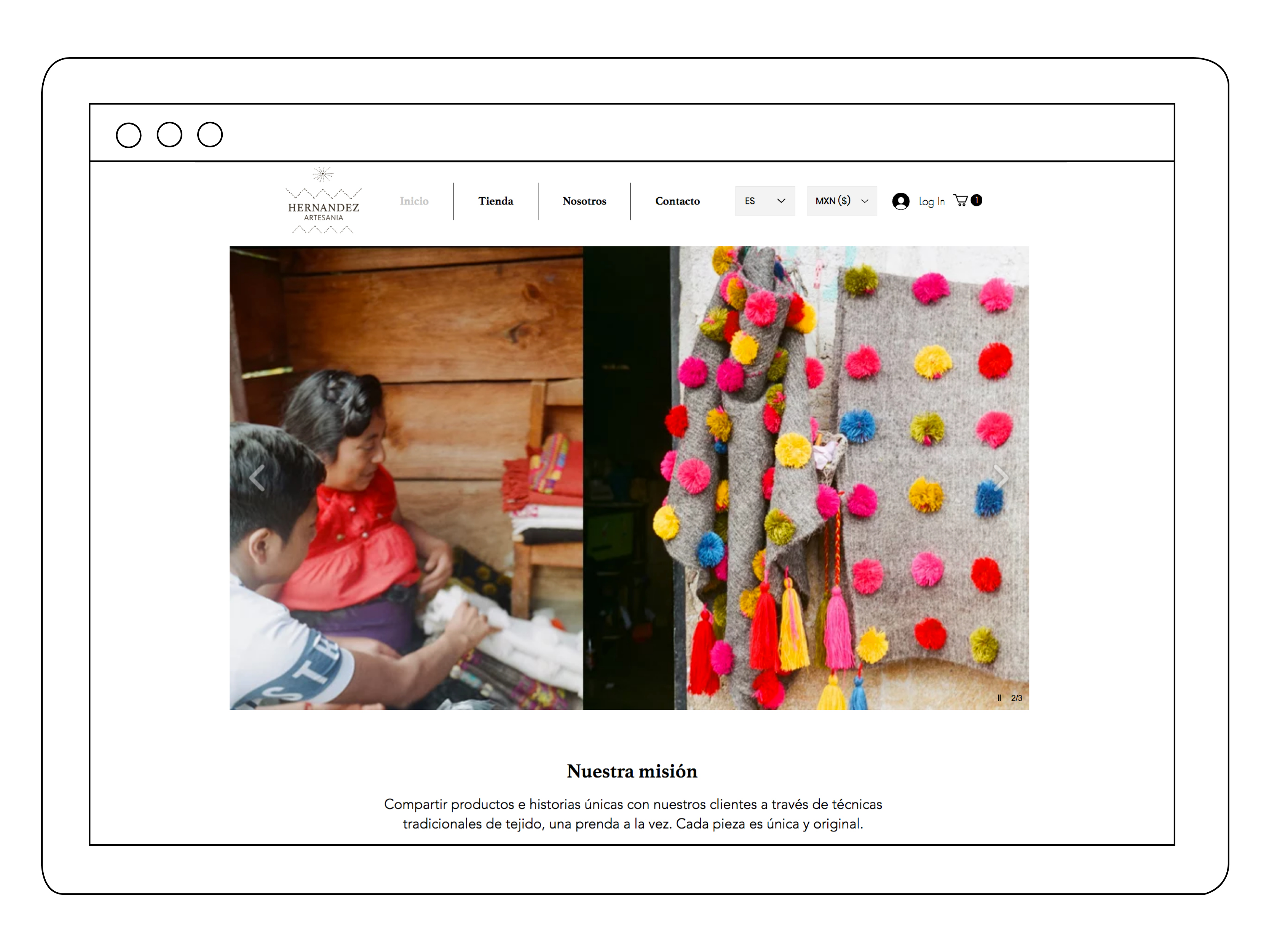
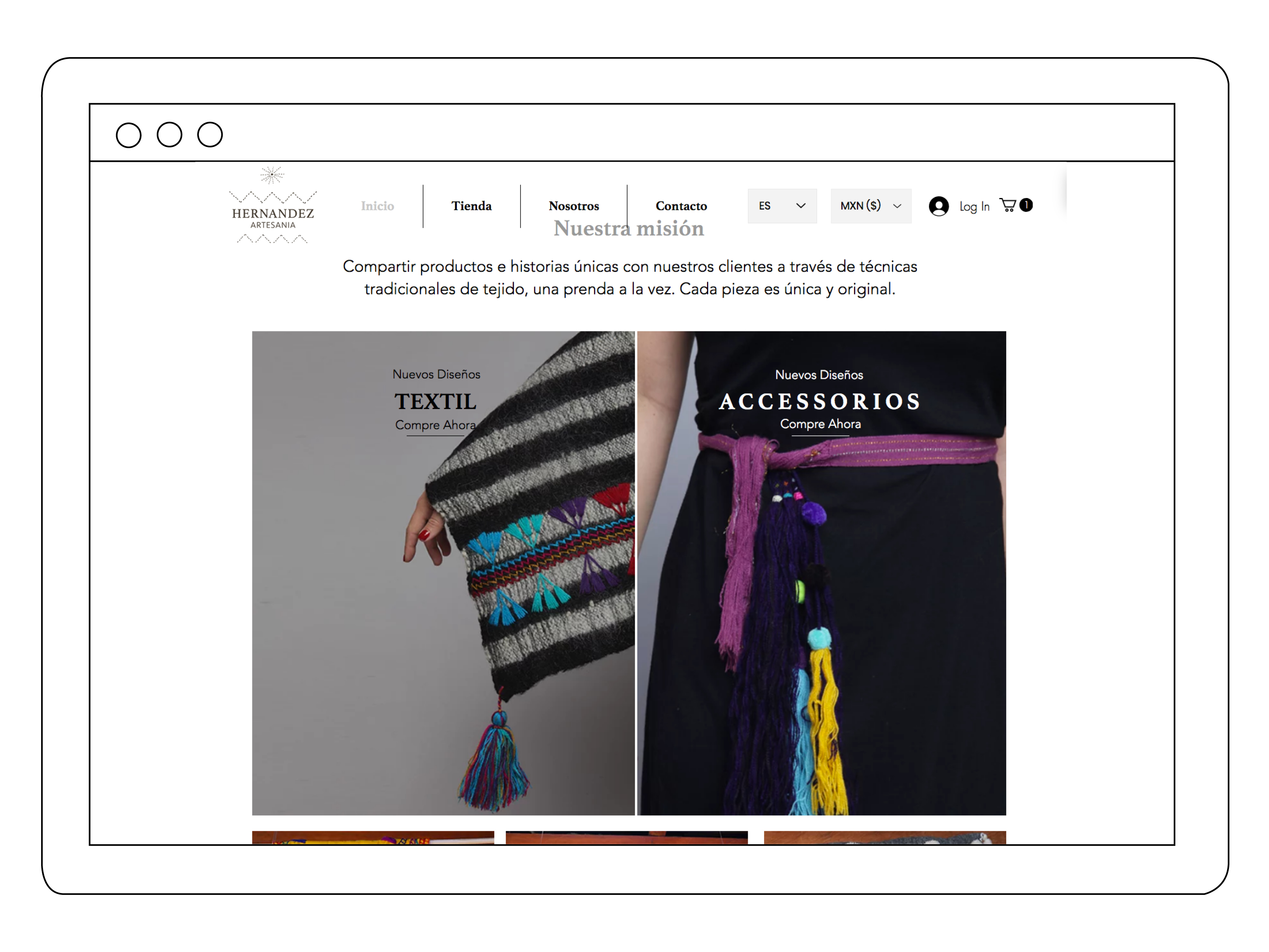

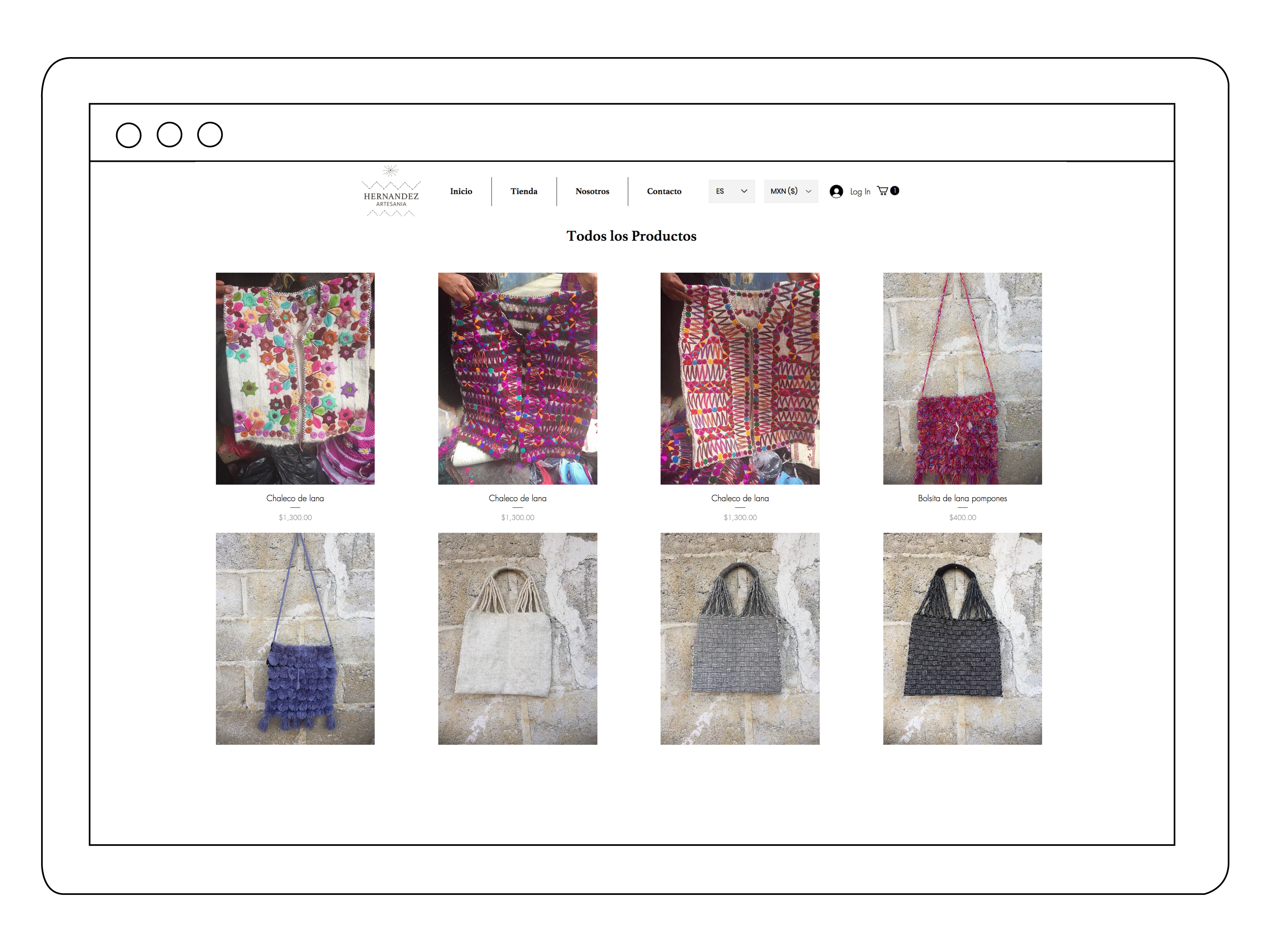
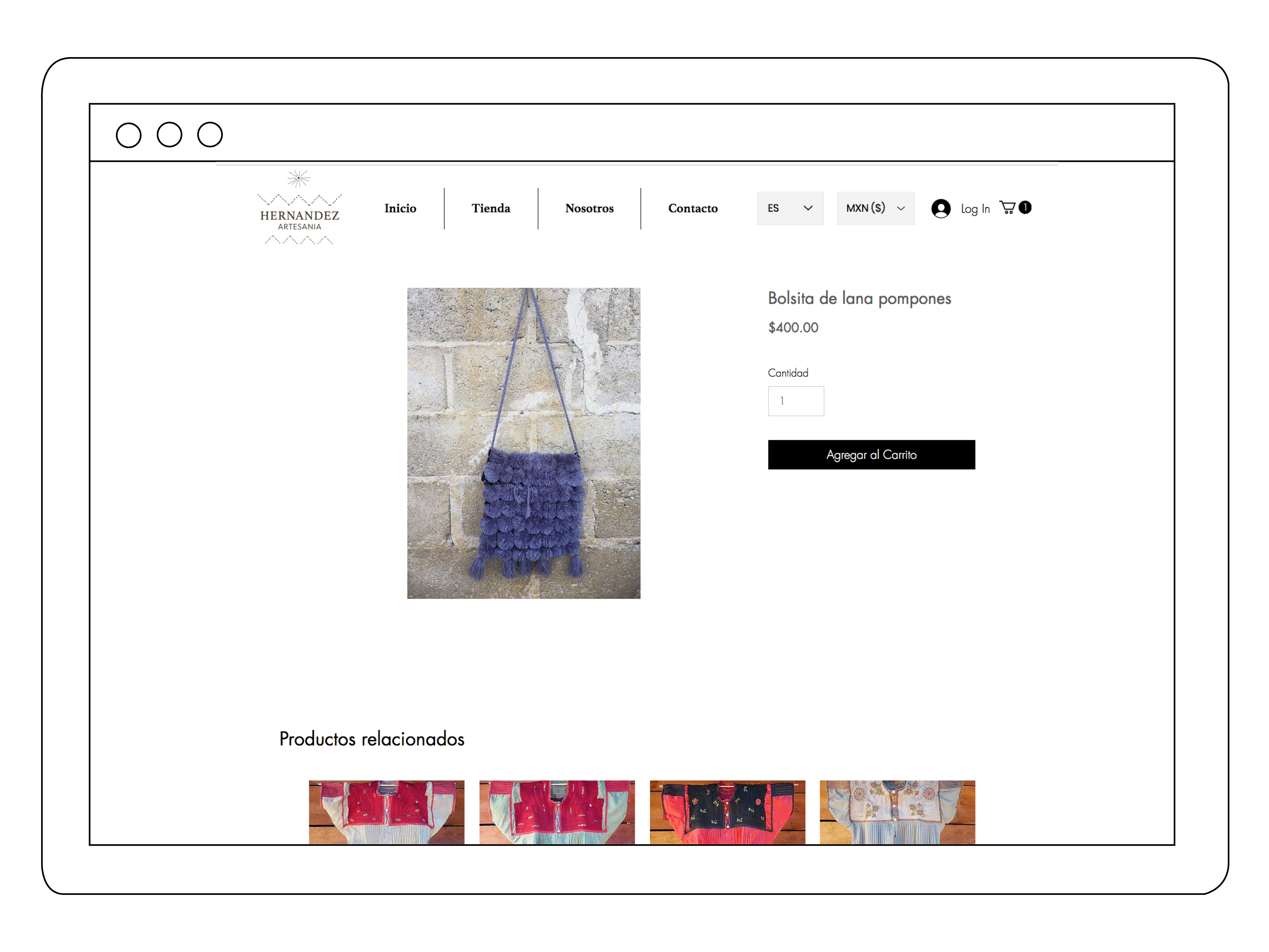

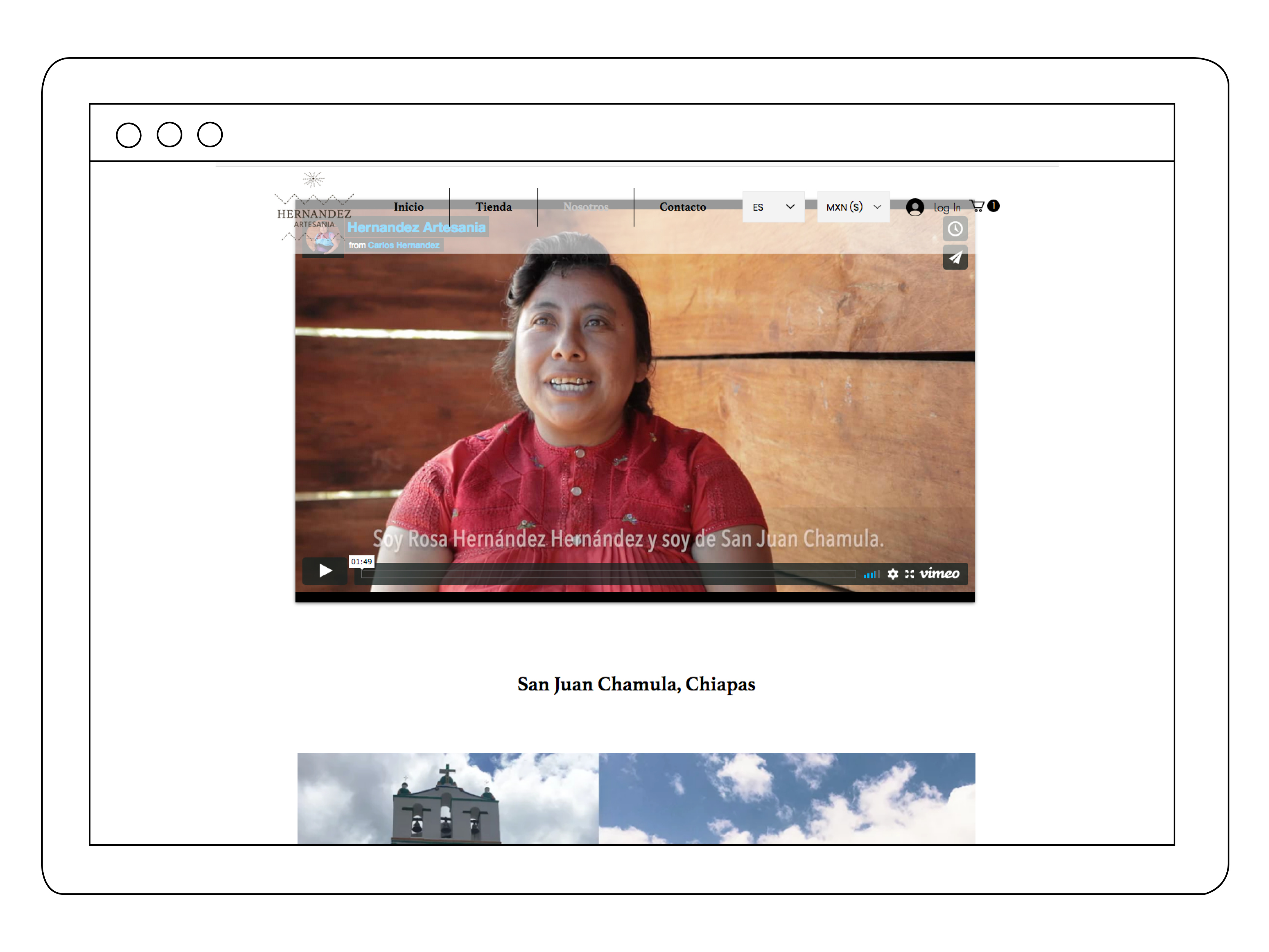

After the launch of the website, there was a final usability test session with a new set of participants who were different than those recruited for the survey.
The findings of the test included the addition of the currency converter, bilingual content (Spanish and English), and revising unclear navigation issues. I also included the Hernandez family in the usability test session and made sure their feedback was included in the final revisions.
Social Media Strategy for
Hernandez Artesania
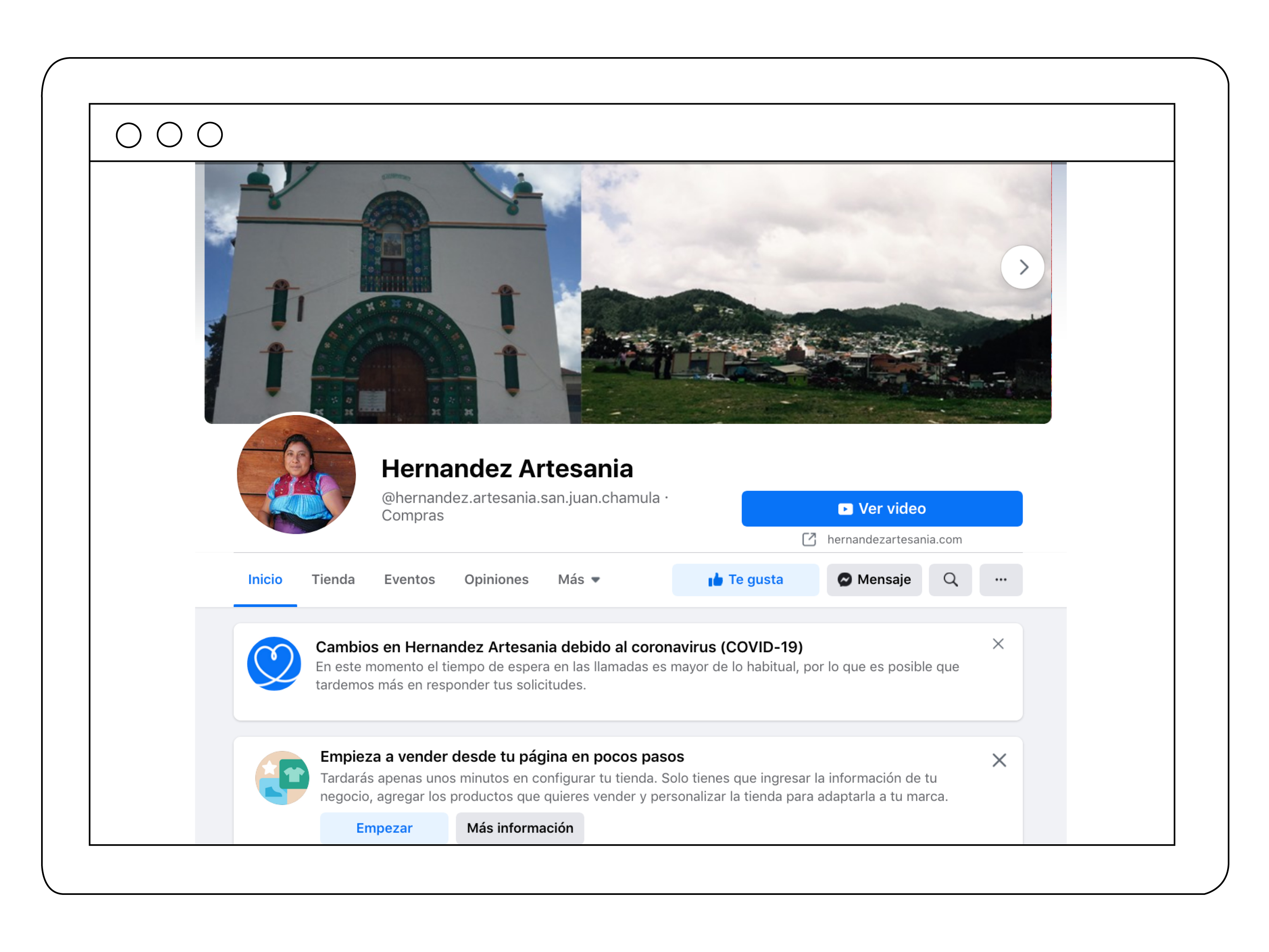
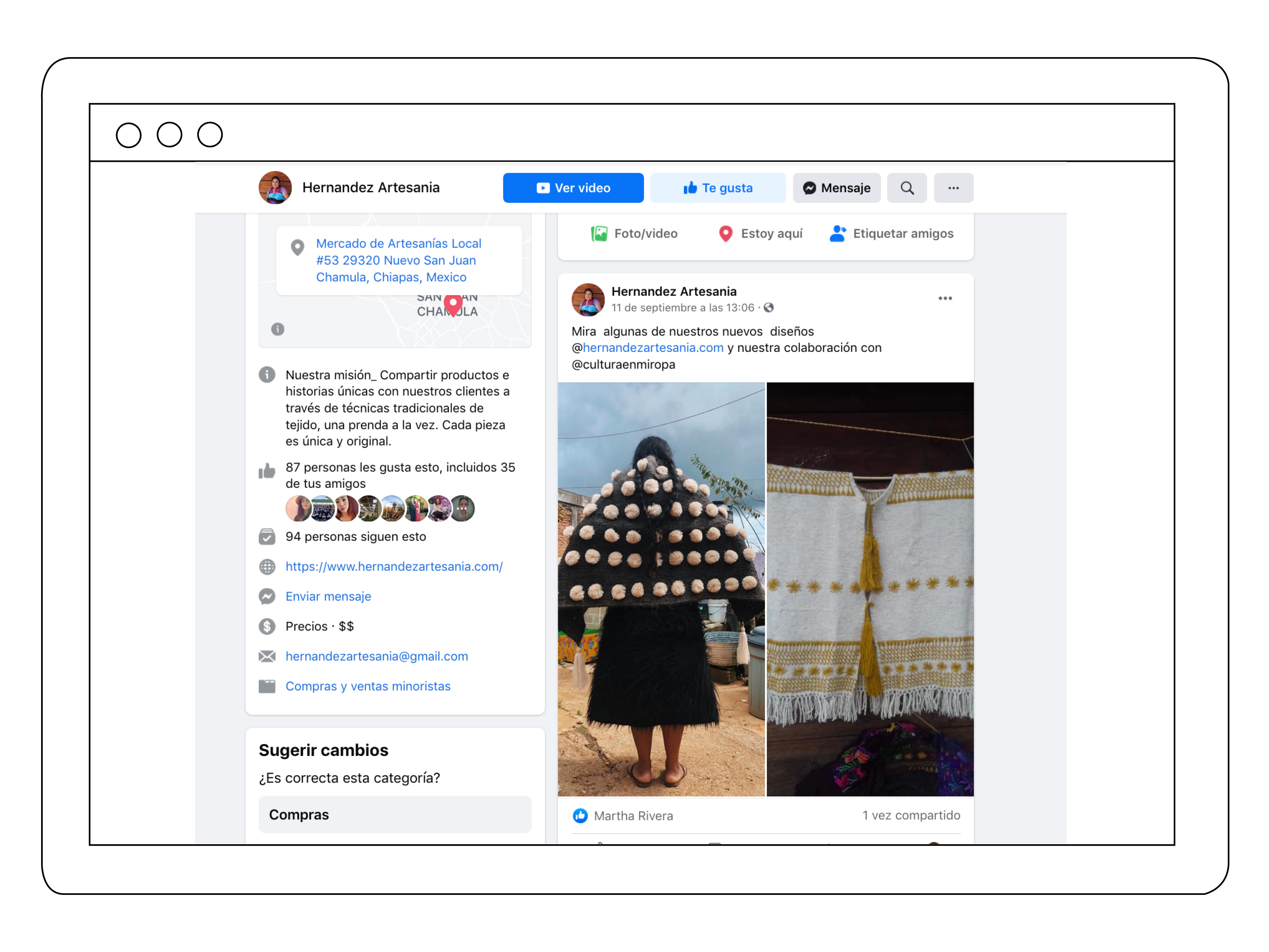
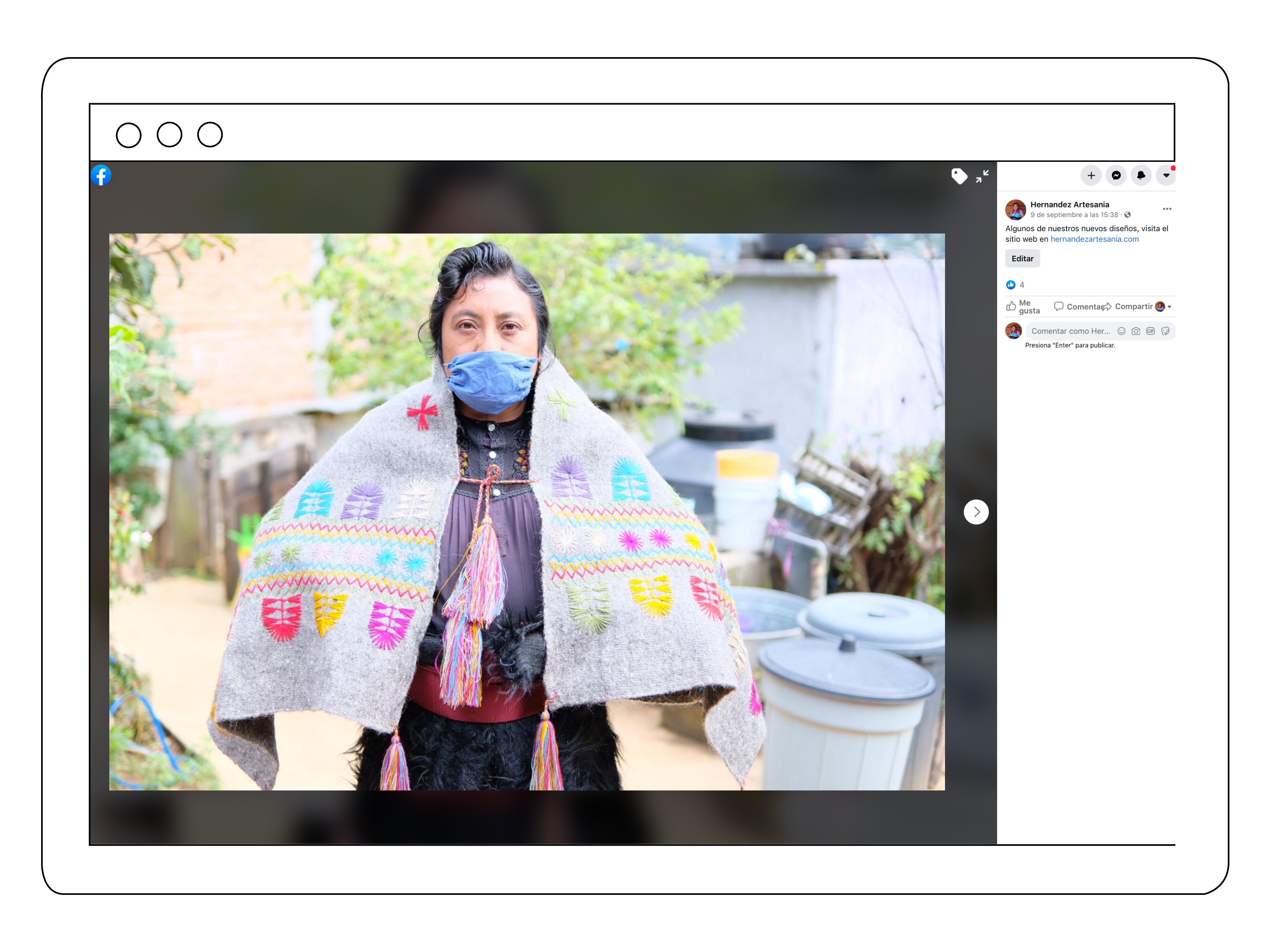
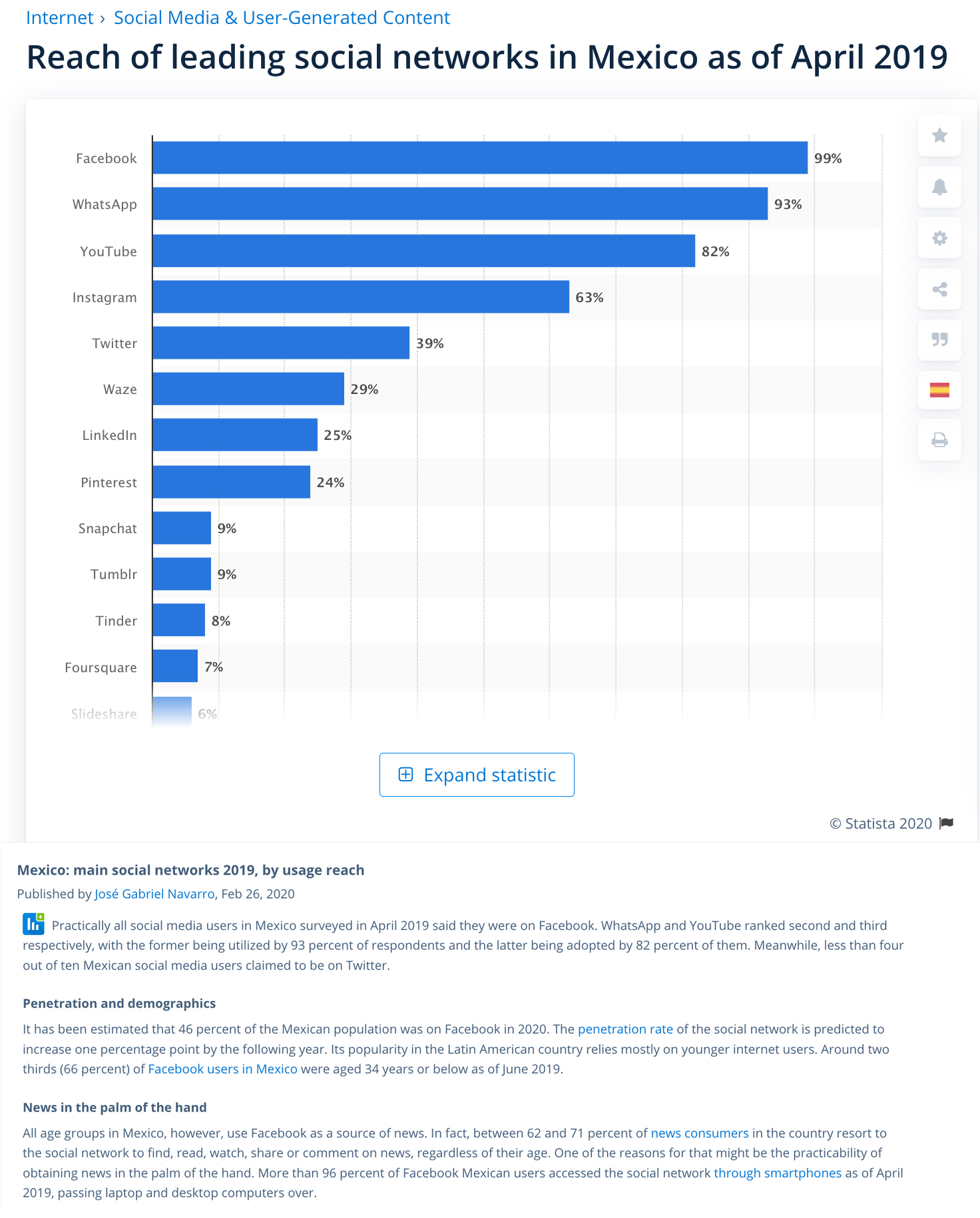
The social media strategy focuses on a Facebook business page for Hernandez Artesania ; research shows Facebook is still one of the most popular social media platforms in Mexico. My focus was to build the new small business strategy of the Hernandez brand before expanding to an even larger, international audience.
The Hernandez kids (Carlos and Cesar) are the primary points of contact who will be responsible for the social media strategy. We discussed using Facebook as a business vehicle, as the idea was to drive traffic from their Facebook page to the website using an ad campaign with posts highlighting new products, photos or videos of the process that goes into the making of their textiles. The Facebook business page was created and went live in the summer of 2020, after the website was finalized.
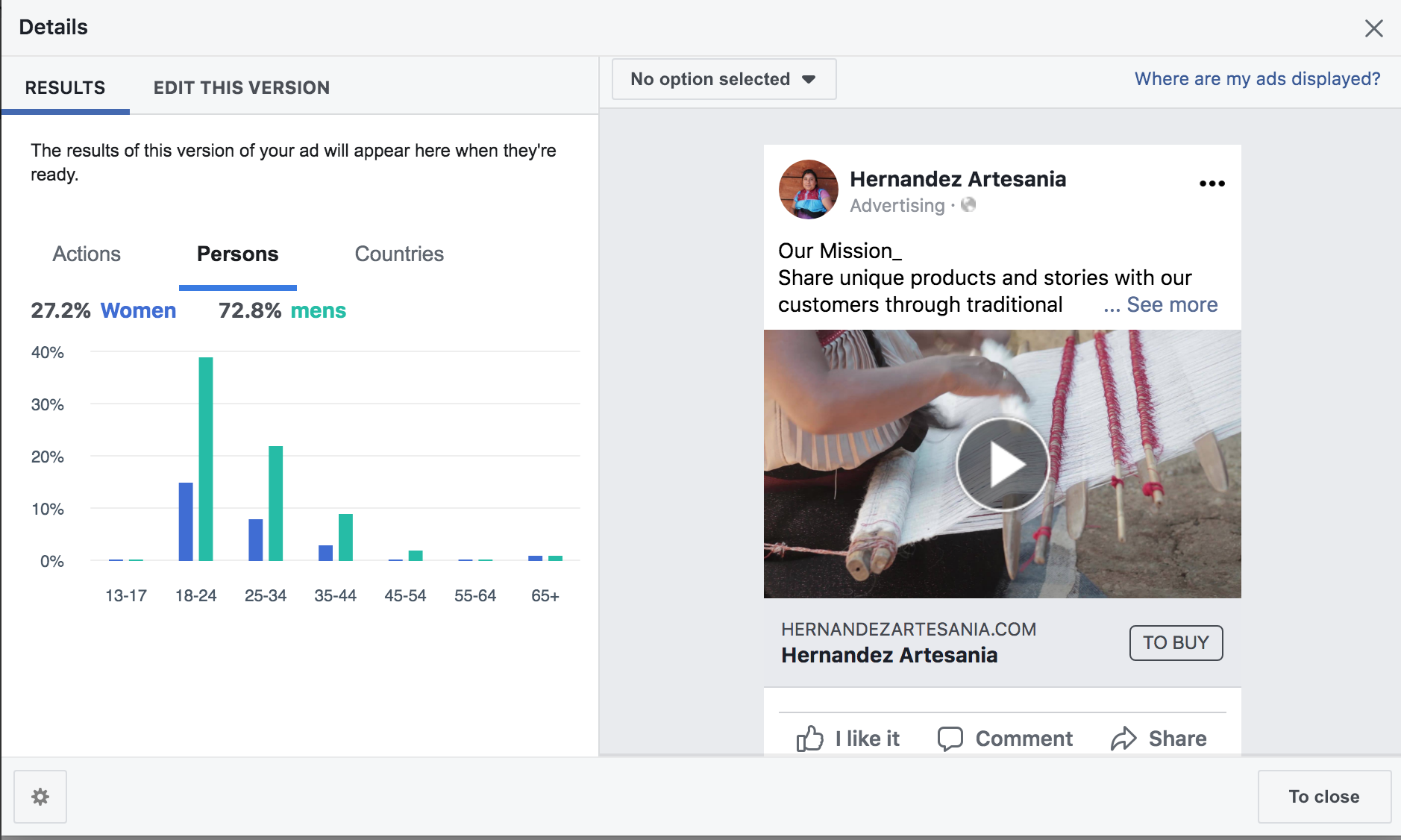
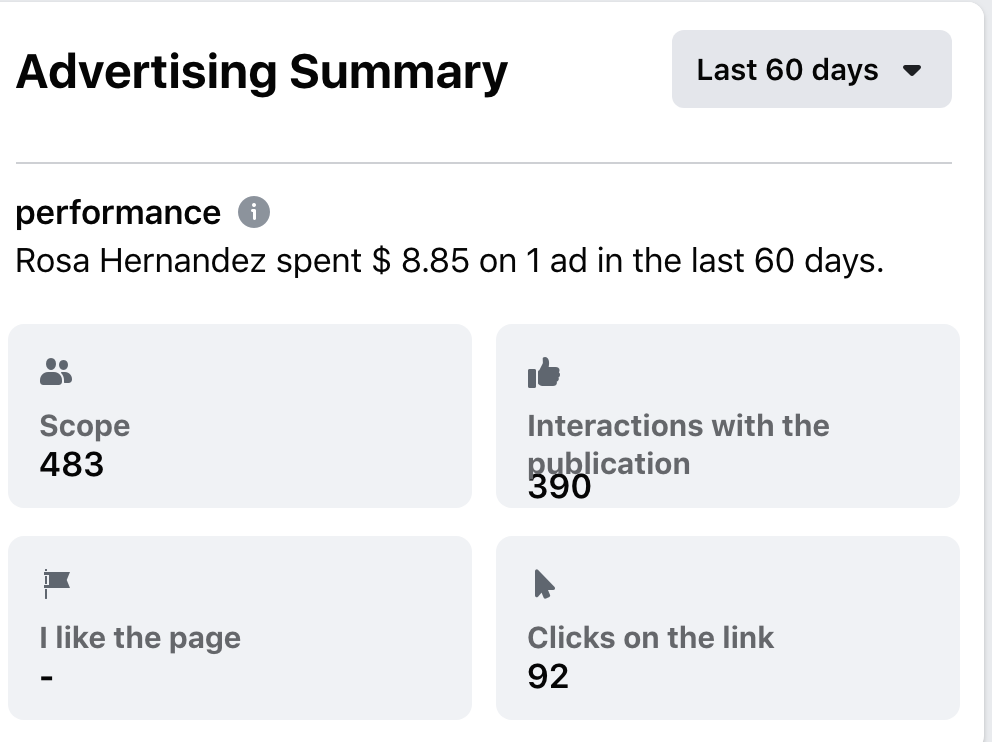
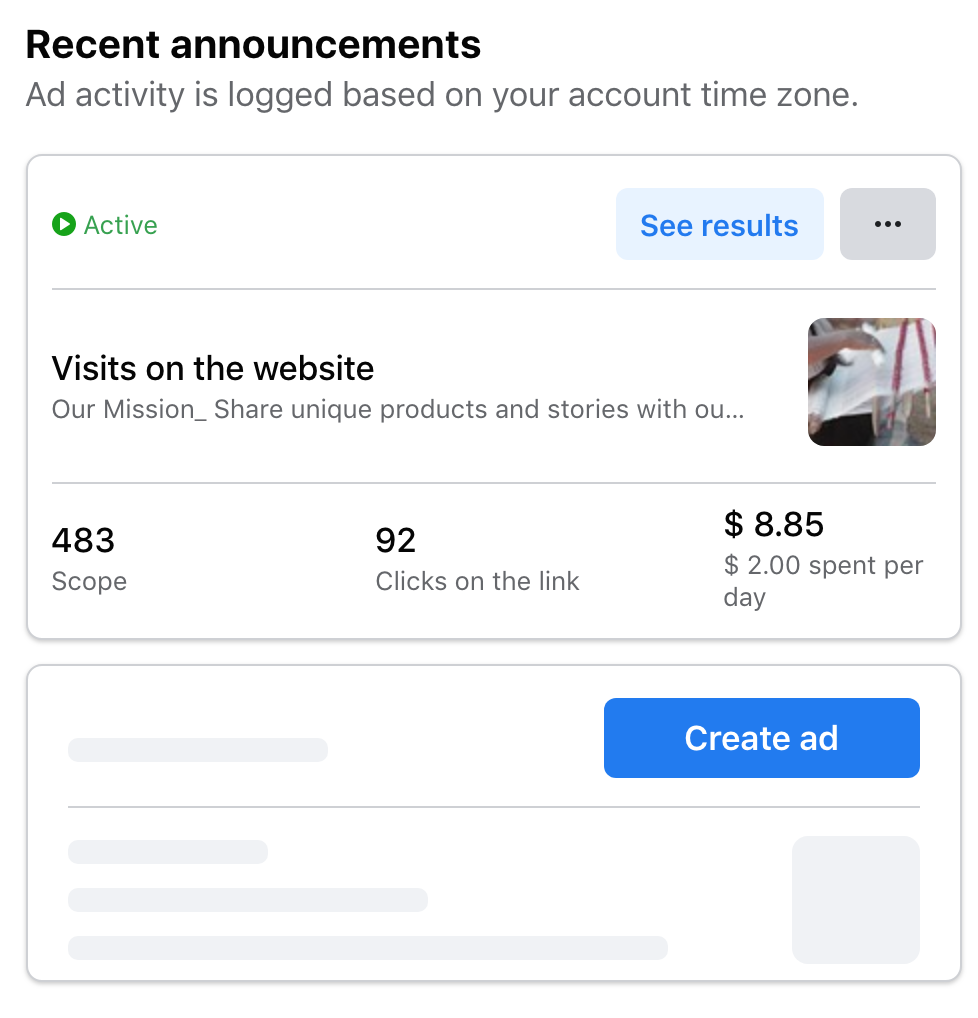
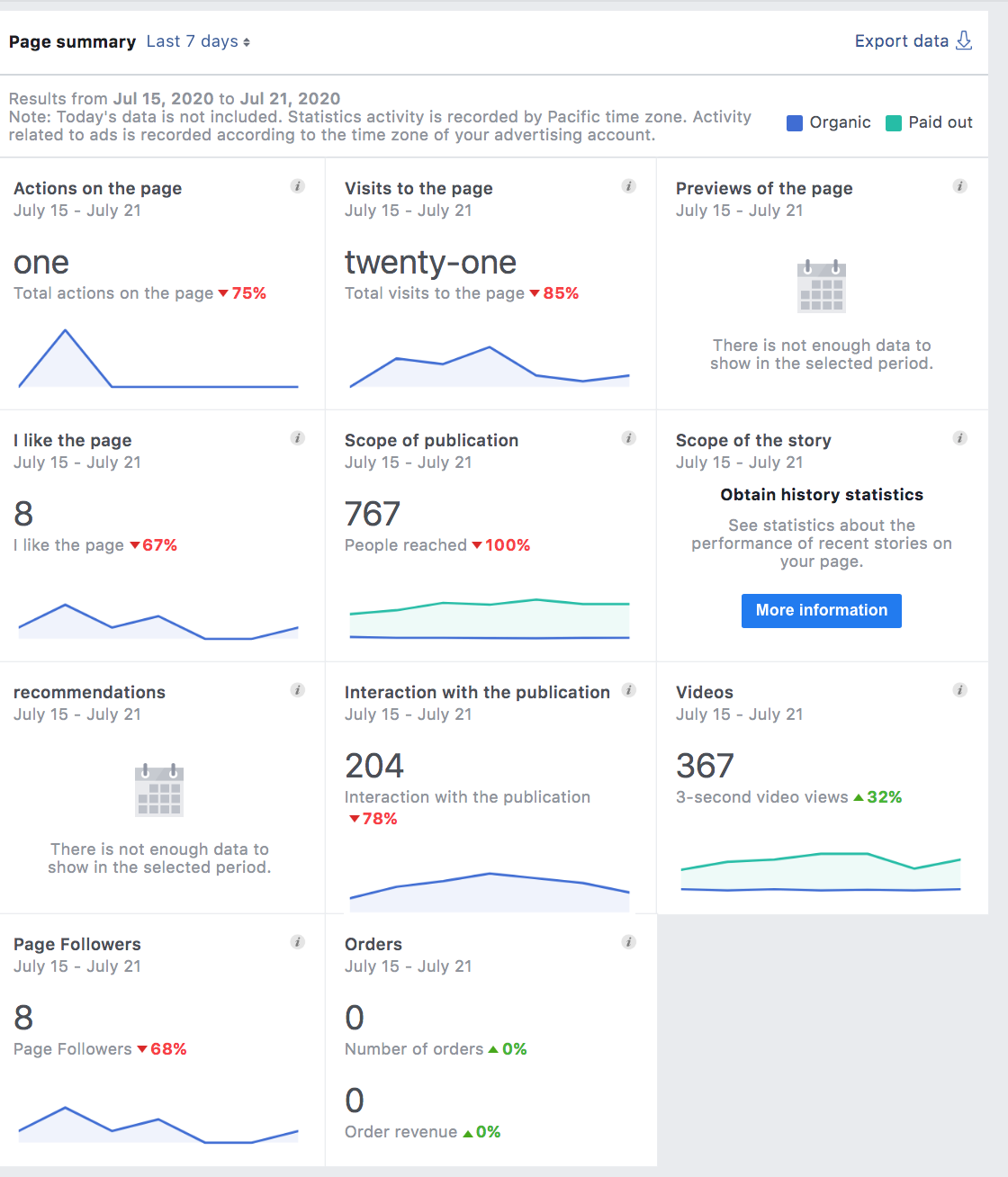

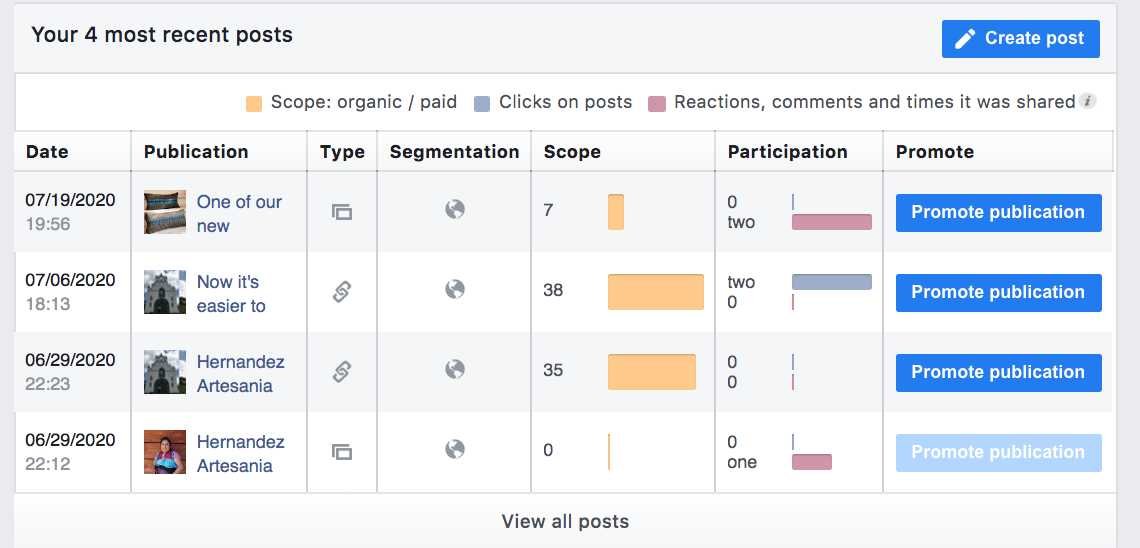
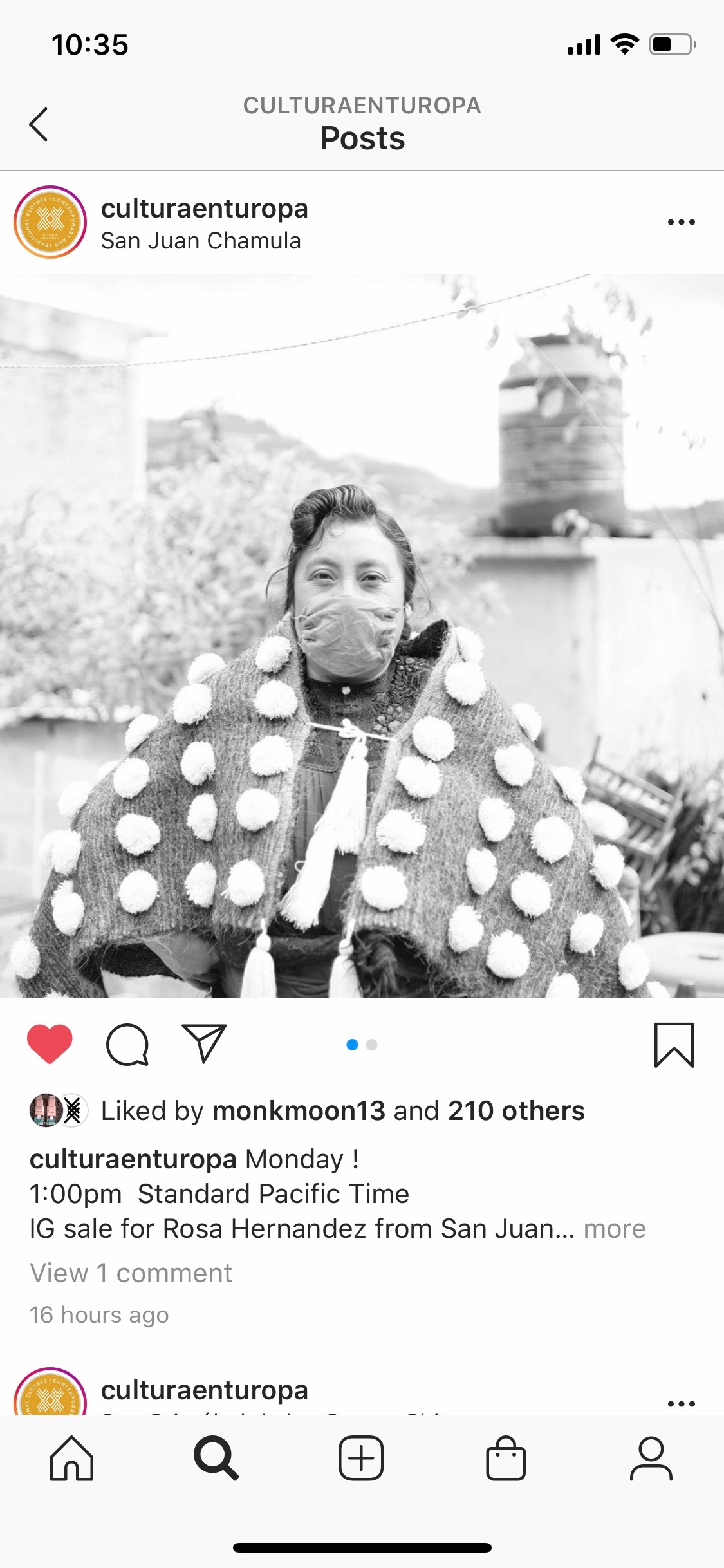
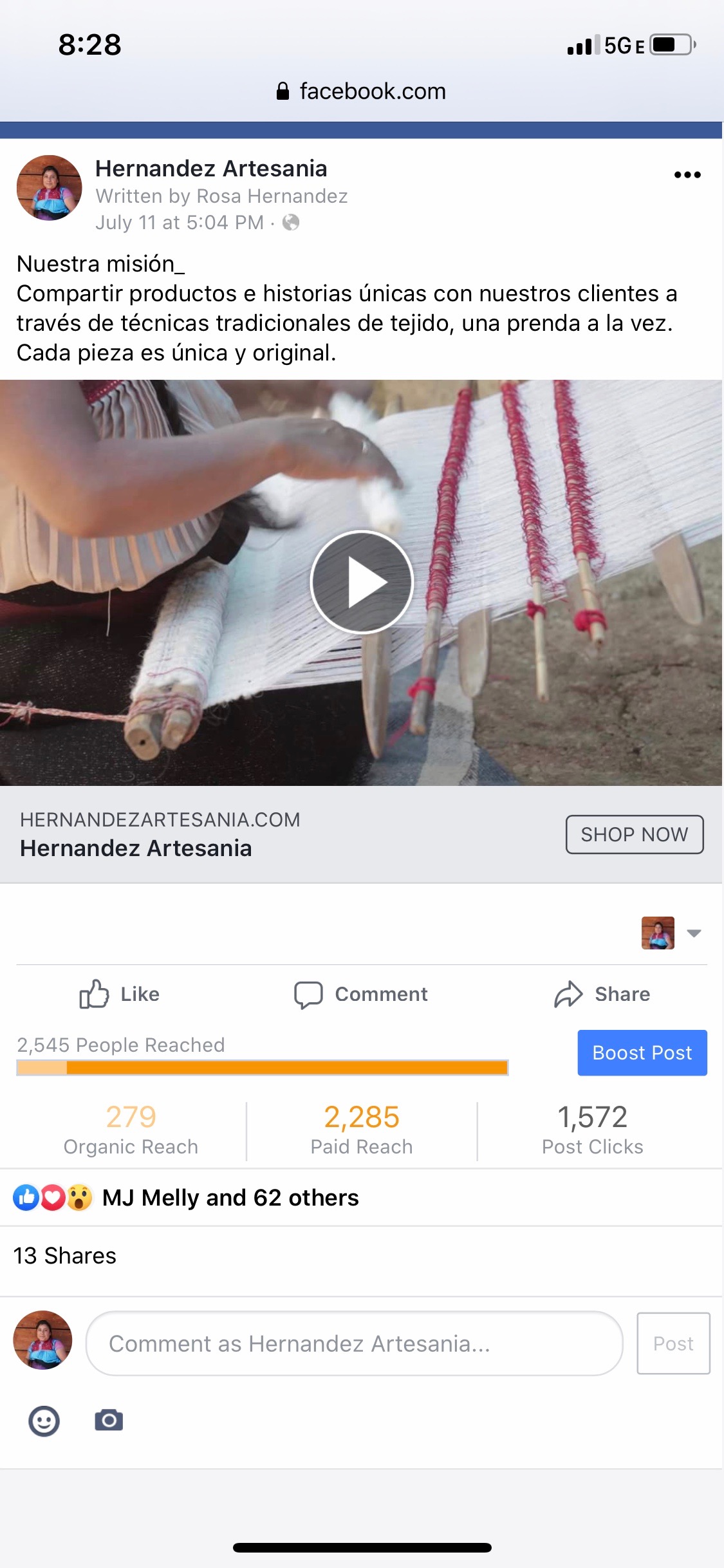

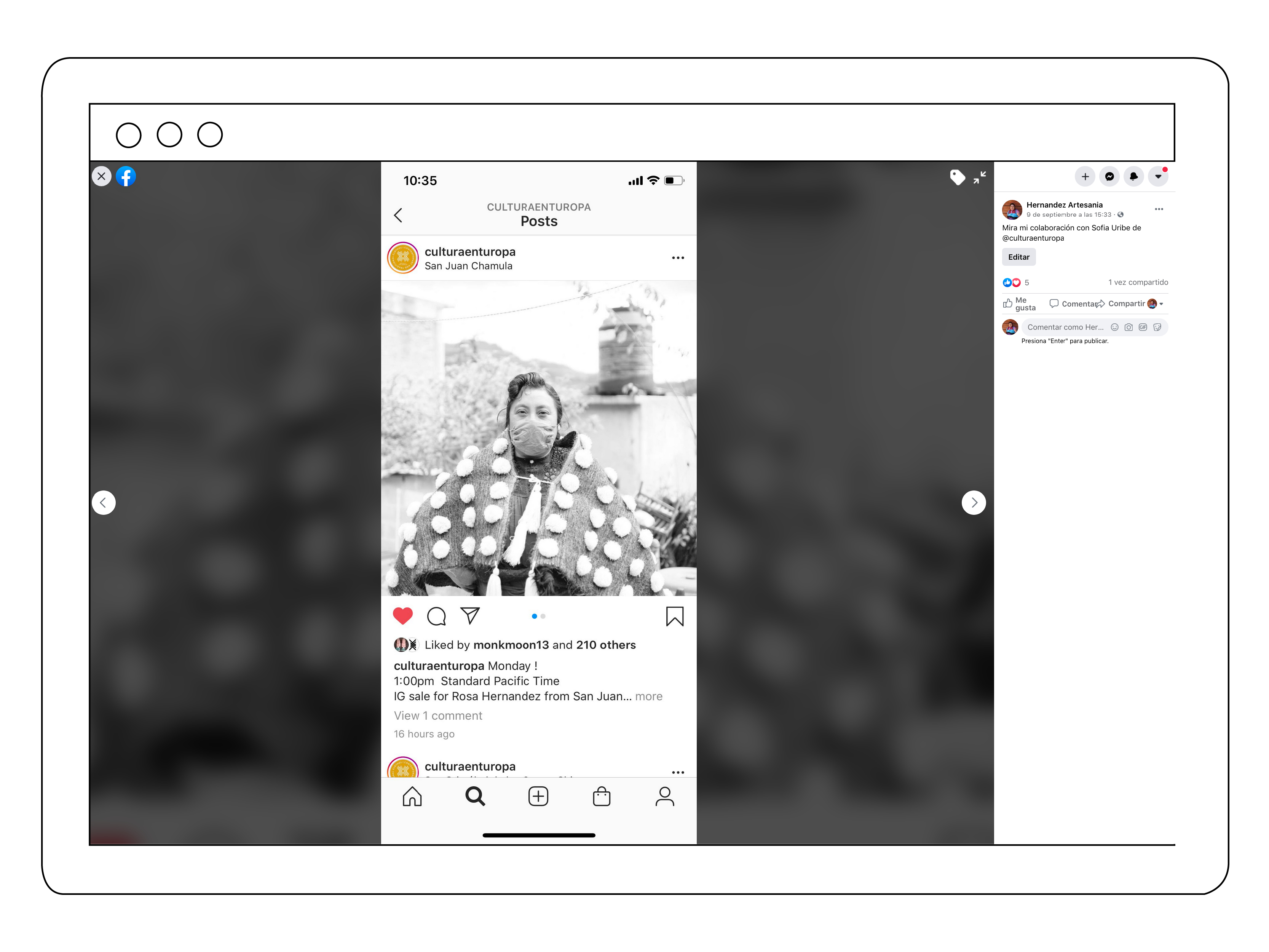
As of September 2020, Hernandez Artesania has more than 70 followers. The ad campaigns created between June to August gained new followers and helped direct ample traffic to the website. A collaboration with Cultura en tu Ropa an influencer of indigenous designs (“influencing” is a new form of social media marketing involving endorsements and product placements from people and organizations who have expert knowledge or high social influence in their field), is a starting point for the family to gain more international exposure and followers.
Cultura en tu ropa is owned by Sophia Uribe, and is a brand that collaborates with indigenous artisans and helps promote their craft. Sophia felt that during the
pandemic it was still important for her to continue her business relationships, and support of artisans during these trying times. I met Sophia through mutual friends after brief exchanges regarding my project and her business model, I shared her my contact with the
Hernandez family. This business exchange allows the Hernandez family to remain a wholly autonomous brand, while still allowing them to grow through collaborations and increased exposure.